Homeowners can save approximately 15% to 40% on heating and cooling costs by installing high quality materials. Substantial attic insulation energy savings Louisiana families experience come from reduced air conditioning demands during the hot, humid summer season. This upgrade effectively blocks heat transfer and lowers monthly utility expenses while improving overall home comfort.
Living in Louisiana means bracing for the inevitable spike in your monthly utility bill as soon as the humidity climbs. If your air conditioner feels like it is constantly running yet your home still struggles to stay cool, your attic is likely the primary culprit. During a typical Gulf Coast summer, attic temperatures can easily exceed 150 degrees; this creates a massive heat load that forces your cooling system to work overtime. At Freedom Insulation, we specialize in neutralizing this heat to protect both your comfort and your wallet. In this guide, we will quantify the specific energy savings you can achieve through professional attic upgrades. We will also explore the technical differences between spray foam and blown in insulation, the importance of air sealing in high humidity, and how to utilize 2024 tax credits to maximize your return on investment.
The Louisiana Summer Tax: Why Your Attic is Costing You Money
In South Louisiana, we face a climate that goes beyond simple high temperatures. Between Metairie and the Northshore, the combination of intense solar radiation and high wet bulb temperatures creates a unique burden on residential and commercial cooling systems. This is what we call the Louisiana Summer Tax. When the sun beats down on a standard roof, attic temperatures frequently climb past 130 degrees Fahrenheit. Without high-performance attic insulation energy savings Louisiana homeowners hope for, this space becomes a massive heat battery. It stores thermal energy all day and radiates it directly through your ceiling into your living areas long after the sun goes down.
Your air conditioner is often forced to fight a losing battle. It is not just cooling the air; it is struggling to overcome the radiant heat transfer from above while simultaneously trying to wring moisture out of the air. In our region, humidity is a primary driver of discomfort and energy waste. When your attic is not properly sealed or insulated, that humid air migrates, forcing the HVAC system to run nearly non-stop. At Freedom Insulation, we offer a full range of insulation solutions designed to break this cycle. If your energy bills are spiking as the humidity rises, it is time to contact Freedom Insulation for a professional diagnostic evaluation of your building envelope.
Quantifying Attic Insulation Energy Savings in Louisiana
While national figures from the Department of Energy suggest an average of 15% savings on heating and cooling costs through air sealing and insulation, these numbers often understate the impact for homeowners in the Greater New Orleans area. In our local climate, cooling accounts for a massive portion of the annual utility load. When upgrading from old, compressed fiberglass batts to high performance solutions like spray foam insulation or fresh blown-in cellulose, we frequently see local homeowners realize a 20% to 40% reduction in their monthly cooling costs.
A common question during our diagnostic process is exactly how much insulation reduces the electric bill. For a typical single-family home in Metairie or New Orleans, this generally translates to a monthly savings range of $20 to $100 or more during peak summer months. The exact figure depends on specific variables, including the square footage of the home, the current state of the existing material, and the efficiency of the HVAC system.
Insulation Upgrade Scenario | Estimated Monthly Summer Savings |
|---|---|
Topping off existing blown-in material | $20 to $40 |
Full removal and replacement with cellulose | $40 to $70 |
Full attic encapsulation with spray foam | $70 to $100+ |
Investing in a full range of insulation solutions provides a return on investment that few other home upgrades can match. Because our summers are so long and the humidity levels so persistent, the payback period for attic insulation energy savings Louisiana residents experience is significantly shorter than in milder climates. To get a precise estimate for your property, you should contact Freedom Insulation for a professional diagnostic assessment.
How Insulation Actually Keeps a House Cool in High Humidity
Understanding the science behind thermal performance is vital for making an informed decision. In a Metairie summer, your home deals with three types of heat transfer. First is radiation, where the sun’s energy penetrates the roofing material and heats everything in the attic. Second is conduction, where that heat physically travels through the ceiling joists and drywall into your rooms. Third is convection, which occurs as hot attic air circulates and finds its way through small gaps in your home's structure.
In our region, the most critical factor is often moisture control. High humidity creates moisture drive, a process where water vapor naturally moves from the hot, damp attic toward the cool, dry conditioned space of your home. If your insulation system does not account for this, your air conditioner spends more energy trying to dehumidify the air than actually cooling it. This is why a high R-value alone is insufficient. While R-value measures a material's resistance to conductive heat, it does not account for the air and moisture movement that carries latent heat into your living space. A high R-value material that is not air-sealed still allows humid air to bypass the thermal barrier, undermining the attic insulation energy savings Louisiana residents expect.
To achieve true comfort, a building needs a combination of high-performance materials and professional air sealing. For instance, spray foam insulation acts as both a thermal barrier and an air barrier, effectively stopping moisture drive at the roofline. Other options within a full range of insulation solutions might require additional vapor retarders or specific sealing techniques to ensure the assembly does not trap moisture against the wood, which could lead to mold. At Freedom Insulation, we look at the house as a complete system. Before you decide on a product, you should contact Freedom Insulation to identify how heat and moisture are specifically infiltrating your building envelope.
Air Sealing: The Invisible Hero of Energy Efficiency
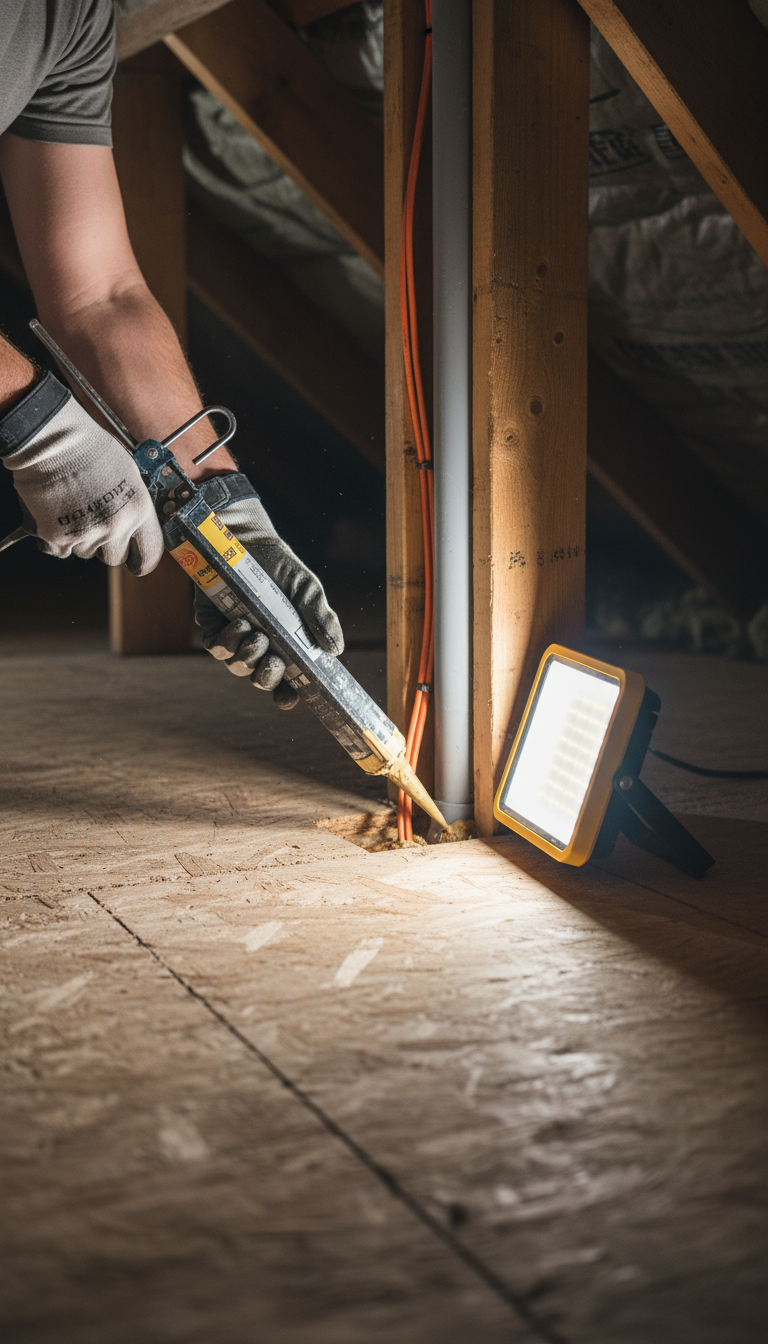
Many homeowners focus entirely on the thickness of their material, but air leaks can reduce insulation effectiveness by up to 30%. In a South Louisiana home, your attic floor is likely riddled with small penetrations that allow hot, humid air to bypass your thermal barrier. Common culprits include gaps around plumbing stacks, recessed lights, electrical wiring penetrations, and poorly fitted attic hatches. When these gaps remain open, your attic functions like a chimney, pulling cooled air out of your living space and sucking damp, 130 degree air in from the attic.
Our diagnostic process at Freedom Insulation prioritizes identifying these hidden bypasses before we install a full range of insulation solutions. We meticulously inspect the top plates and attic floor to locate every point where air moves between the conditioned space and the unconditioned attic. We then seal these penetrations using professional grade sealants or specialized covers for heat producing fixtures like recessed lights. By stopping this airflow, we ensure the material you pay for can actually do its job. This foundational step is critical for maximizing the attic insulation energy savings Louisiana residents need to combat our oppressive humidity. If you suspect your home is leaking air, you should contact Freedom Insulation to evaluate your building envelope.
Choosing the Right Solution: Spray Foam vs Blown In for South Louisiana
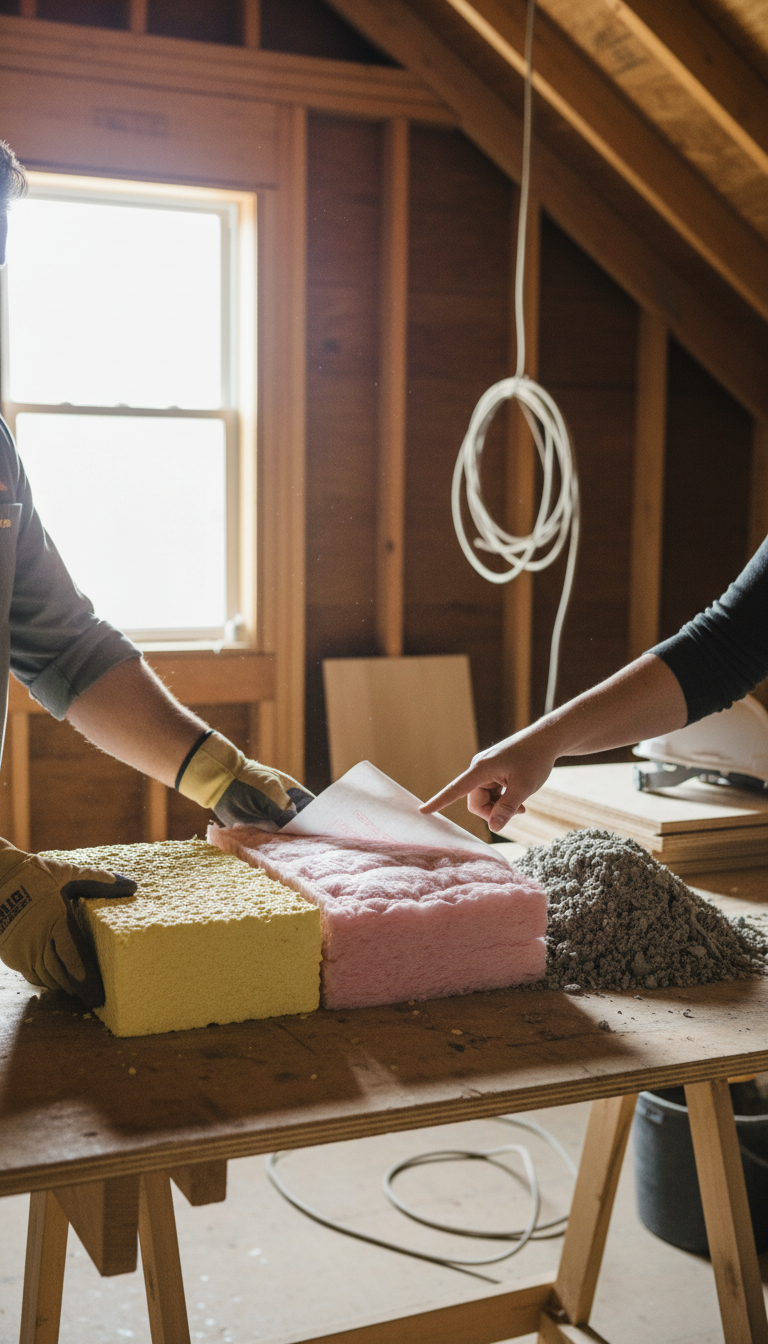
Choosing a material depends on your specific building structure and long term goals. At Freedom Insulation, we do not push a single product; we evaluate the property to see which of our full range of insulation solutions provides the best return for your specific situation.
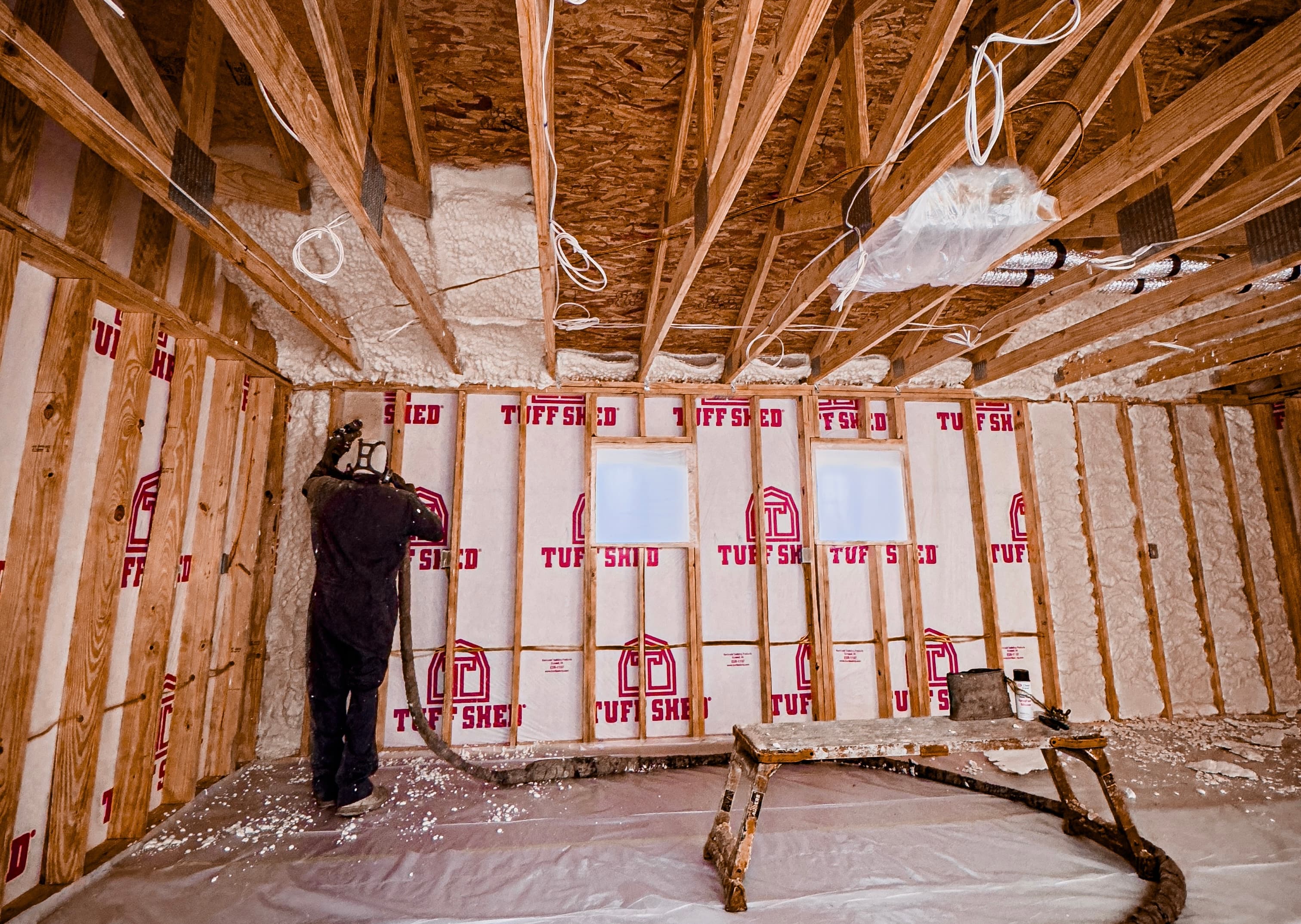
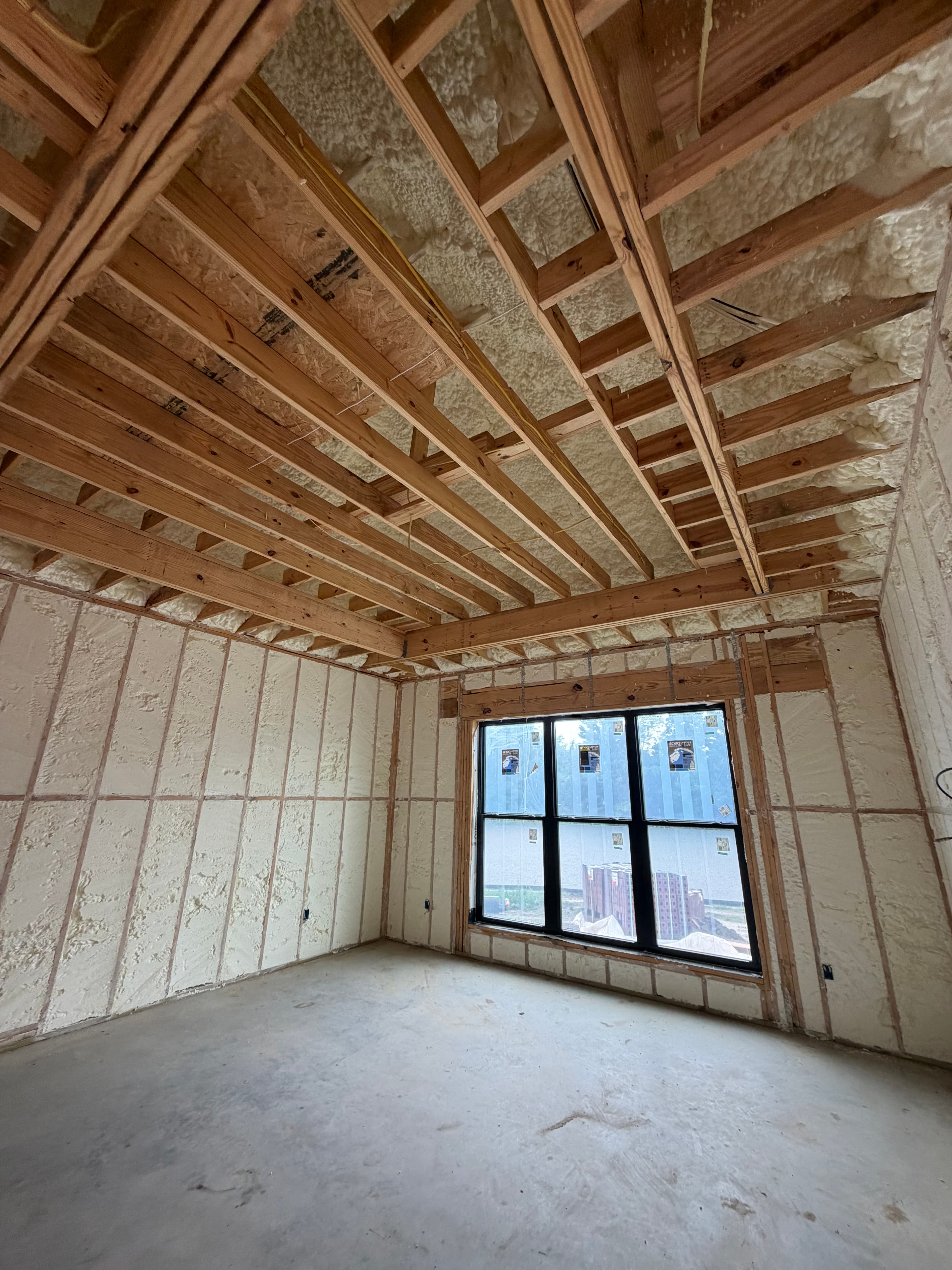
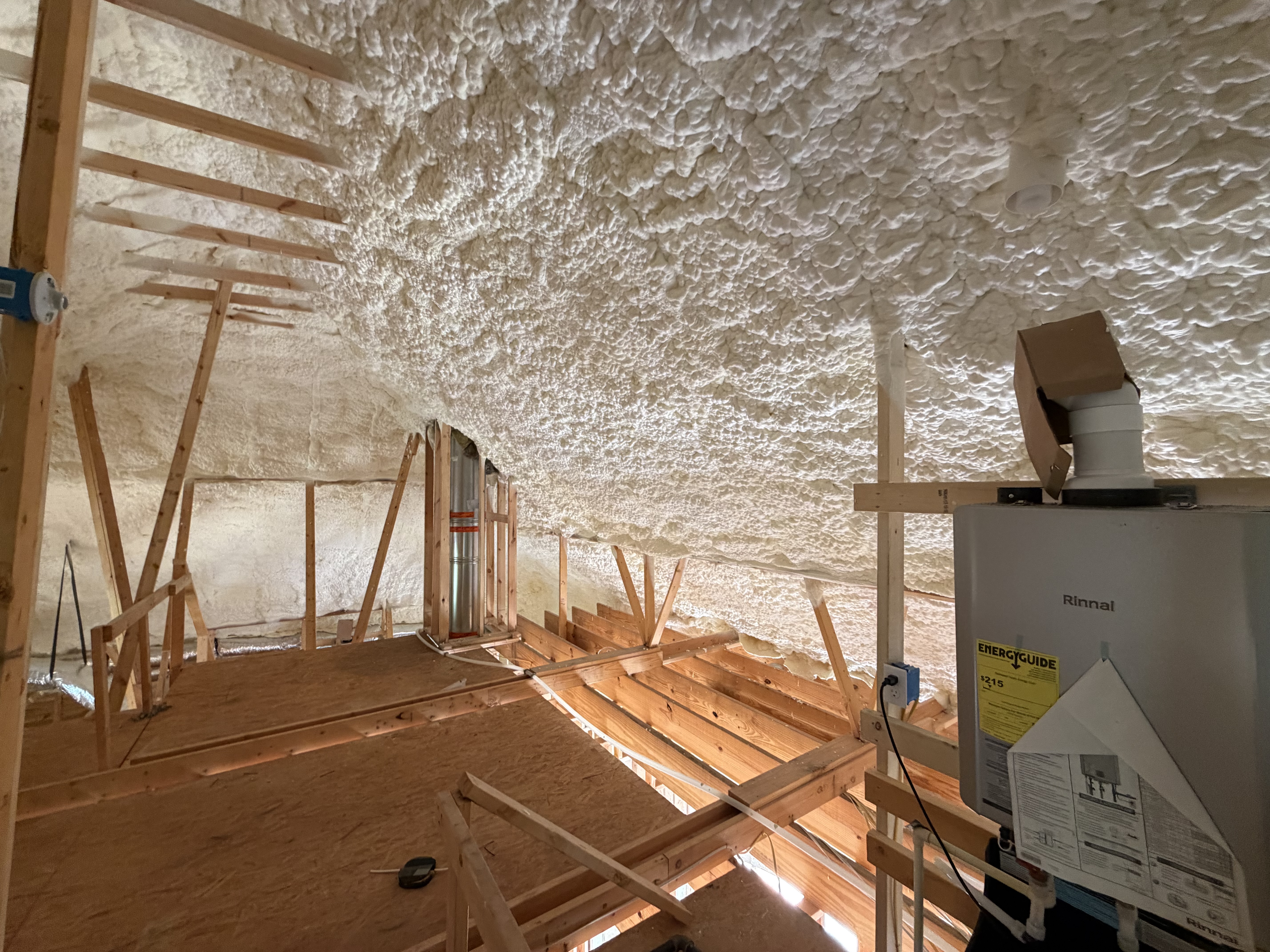
Spray foam insulation is widely considered the gold standard for Metairie and New Orleans residences. By applying foam directly to the underside of the roof deck, we create an unvented attic space. This move shifts the thermal boundary from the floor to the roof, bringing your HVAC system and ductwork into a semi-conditioned environment. When your air handler and ducts are not sitting in 130 degree heat, their runtime drops significantly. This configuration maximizes the attic insulation energy savings Louisiana homeowners need to combat extreme humidity and solar load.
Blown-in cellulose or fiberglass offers a highly effective, budget friendly alternative for traditional vented attics. Cellulose is particularly useful in South Louisiana because its density helps resist airflow better than standard fiberglass batts, providing an R-value of roughly 3.1 to 3.8 per inch. For owners of historic New Orleans shotgun houses or modern townhomes, we often recommend Rockwool. Its high density provides superior fire resistance and sound dampening between shared walls, addressing common urban living concerns that standard materials cannot.
Material Type | R-Value per Inch | Primary Performance Benefit |
|---|---|---|
Spray Foam | 3.7 – 6.5 | Complete air seal and moisture control |
Blown Cellulose | 3.1 – 3.8 | High density airflow resistance |
Blown Fiberglass | 2.2 – 4.3 | Light weight for older ceilings |
Rockwool | 3.0 – 3.3 | Fire resistance and sound attenuation |
Every home has a different thermal pain point. If your goal is the absolute lowest utility bill and a cool attic for storage, spray foam is the answer. If you want a cost-effective way to stop heat transfer through the ceiling joists, a professional blown-in application is often sufficient. You should contact Freedom Insulation to discuss which material aligns with your budget and your home’s architecture.
Does Insulating My Attic Qualify for Tax Credits in 2024?
After identifying the right material for your property, the financial viability of the project is often the final consideration. In 2024, homeowners in the Greater New Orleans area can leverage the federal Energy Efficient Home Improvement Credit, also known as Section 25C, to offset a significant portion of their investment. This incentive allows you to claim 30% of the cost for weatherization upgrades, which include both insulation and professional air sealing, up to an annual cap of $1,200.
This tax credit drastically improves the ROI for the attic insulation energy savings Louisiana homeowners see on their monthly utility bills. Because this credit is available annually through 2032, it provides a strategic opportunity to phase in a full range of insulation solutions or tackle a complete attic overhaul with spray foam insulation at a lower net cost. Combining these federal tax savings with reduced HVAC wear and tear makes modernizing your building envelope one of the most practical financial decisions for our climate. You should contact Freedom Insulation to receive a detailed diagnostic estimate that defines the best path forward for your specific home.
Signs Your South Louisiana Home is Under Insulated
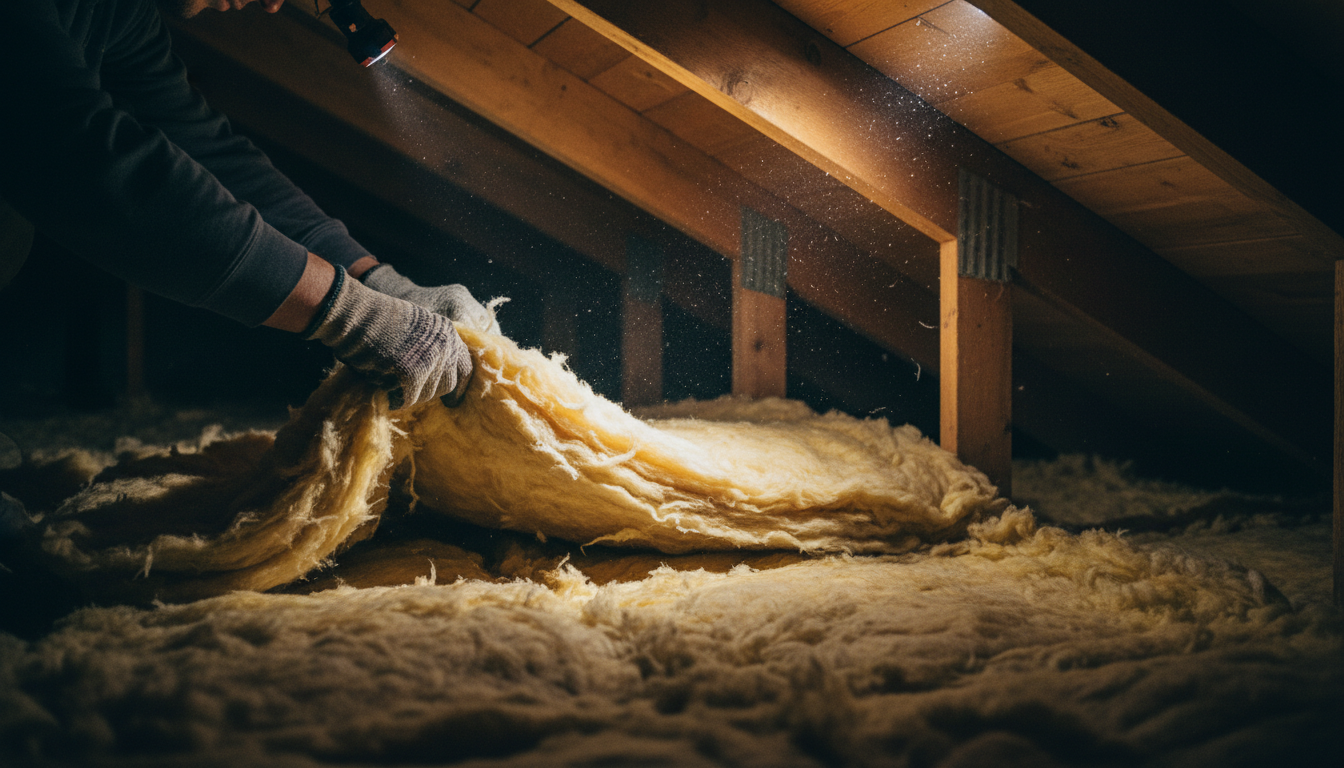
Identifying a deficiency in your thermal envelope is the first step toward securing significant attic insulation energy savings Louisiana homeowners often miss. Start by observing your air conditioner's behavior; if the system cycles continuously yet the indoor temperature remains stubbornly high, your insulation is likely failing to repel the 130 degree attic heat. High indoor humidity is another red flag, suggesting that moisture is migrating through a poorly sealed attic floor.
Inside the attic itself, look for these physical indicators: - Visible ceiling joists, which indicate the material is too thin and likely below modern R-value standards. - Areas where blown-in material has settled over time, leaving gaps near the eaves or top plates. - Signs of pest infestation, droppings, or compressed batts, which are common issues in older New Orleans properties.
In historic homes, original insulation often degrades into a thin, contaminated layer that provides almost no thermal resistance. If you notice hot spots in rooms directly below the attic or uneven temperatures across different floors, you should contact Freedom Insulation. We provide a thorough diagnosis to determine which of our full range of insulation solutions, including spray foam insulation, will best restore your home's comfort and efficiency.