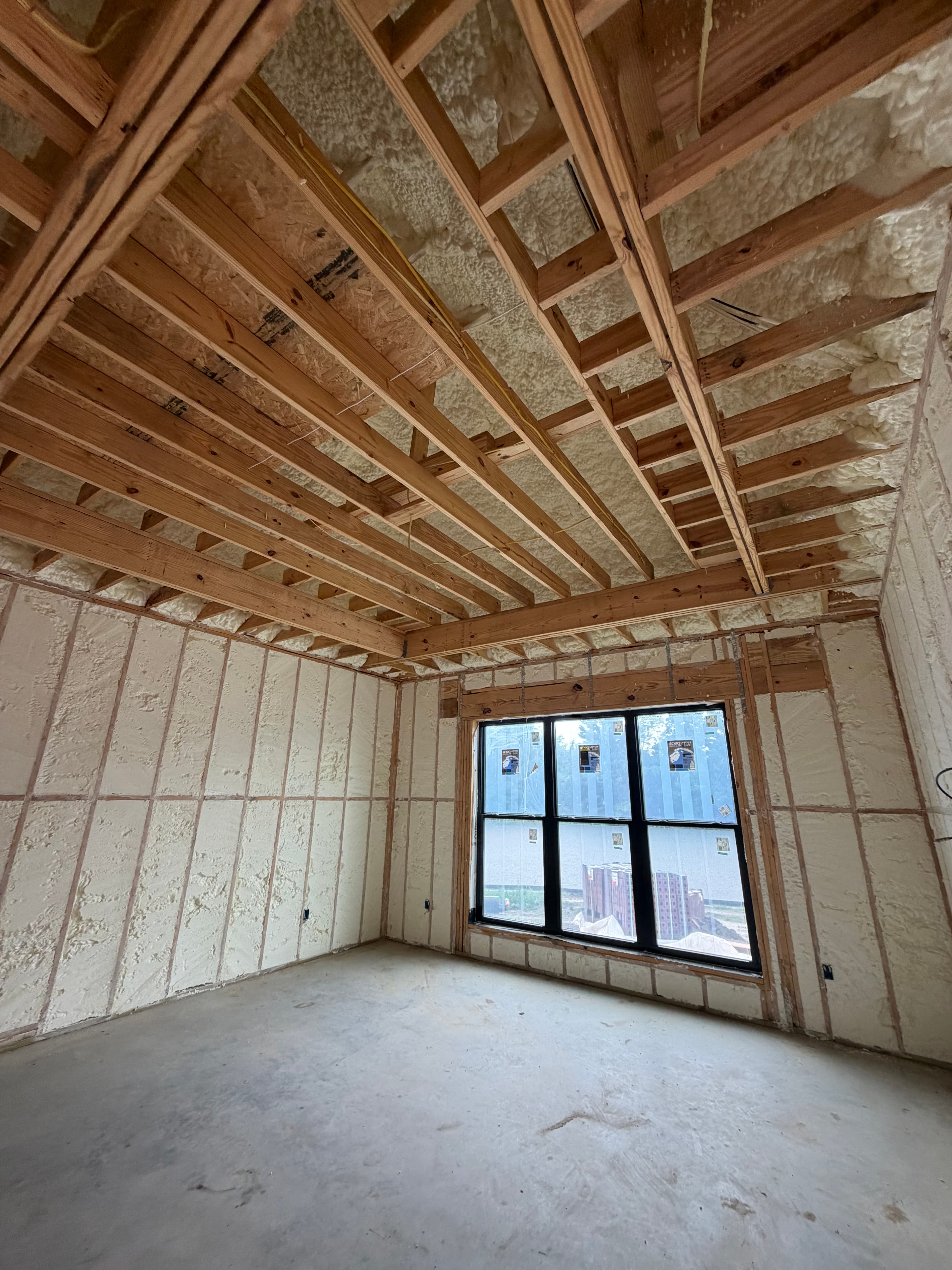
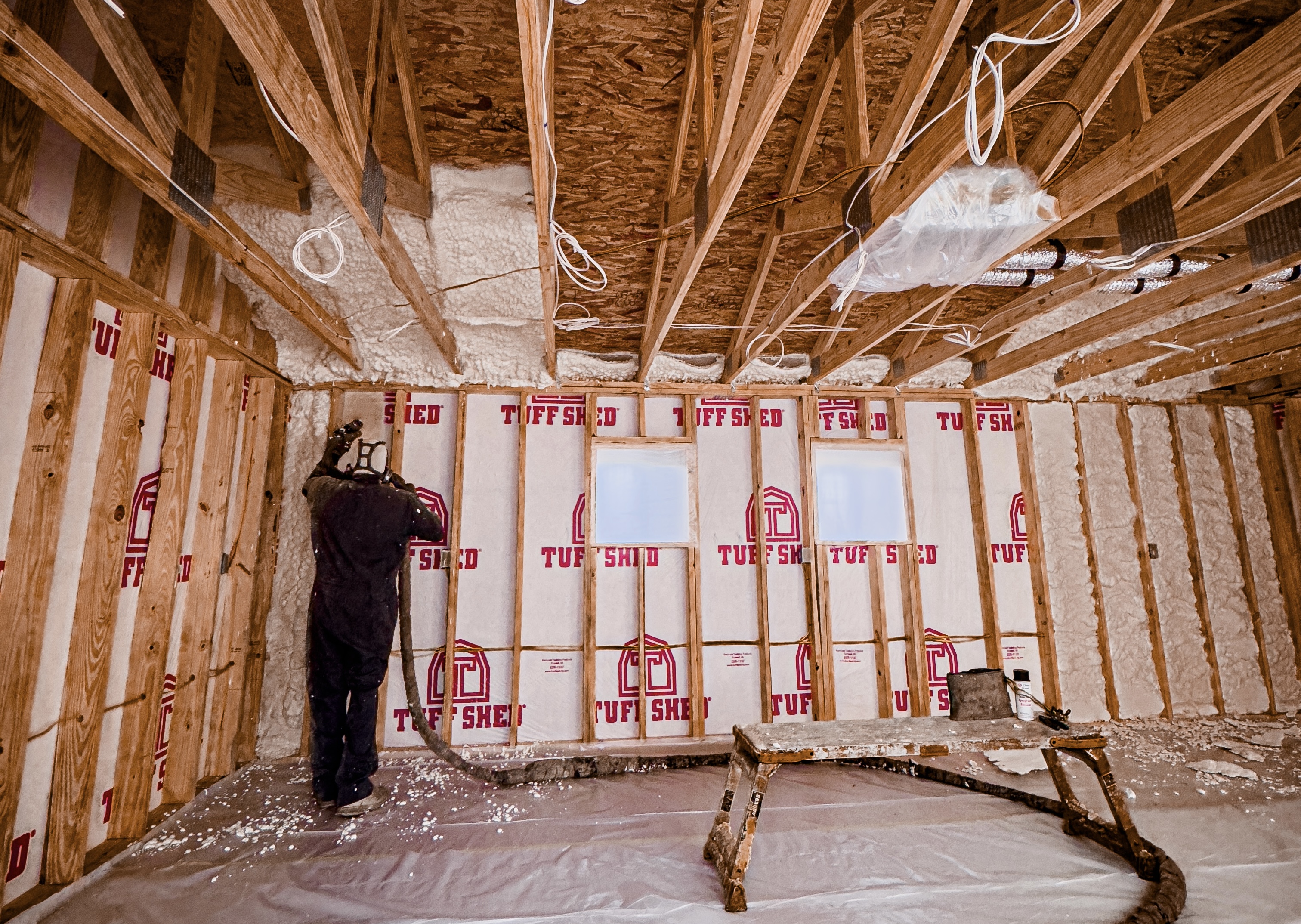
Air sealing is hands-down more effective than a traditional vapor barrier when it comes to controlling humidity here in South Louisiana. The reason is simple: most moisture gets into a home through air moving through gaps and cracks, not through the walls themselves. Once you seal those leaks, you stop the warm, wet air before it can cause mold or damage.
If you live in South Louisiana, you know the drill: heavy, sticky air that feels like it is pressing in on every side. A lot of folks lean on their AC to stay dry, but even the best system struggles when outside air keeps sneaking in. Vapor barriers get a lot of credit, yet in our humid Gulf South climate they can actually trap moisture and cause problems. This guide walks you through why air sealing is the smarter move. We will cover the 99 to 1 moisture rule, why standard barriers fall short, and how professional sealing pays for itself. We will also explain how a blower door test confirms your home is finally keeping the wet air out.
Why South Louisiana Humidity Gives Your AC a Hard Time
South Louisiana sits in a humid subtropical zone, which is a fancy way of saying the air is wet almost year-round. Around here, the average relative humidity often hovers in the mid 70s and dew points regularly climb into the 80s. That puts a serious moisture load on every property, from old raised cottages to newer construction. It is also why so many homes feel clammy inside even when the AC is humming.
Homeowners ask us all the time why the indoor humidity stays high when the AC is running fine. The answer: your air conditioner does dehumidify, but it is sized for the moisture people inside create, not for the wet air leaking in from outside. The real culprit is almost always infiltration. Hot, humid air slides in through hidden gaps in your home's shell and overworks the system. Sealing those gaps is a big part of controlling humidity in South Louisiana. Freedom Insulation has 15 years of local experience finding those entry points, and we often recommend professional insulation services like spray foam insulation to seal things up for good.
Air Leaks vs Vapor, The 99 to 1 Moisture Rule
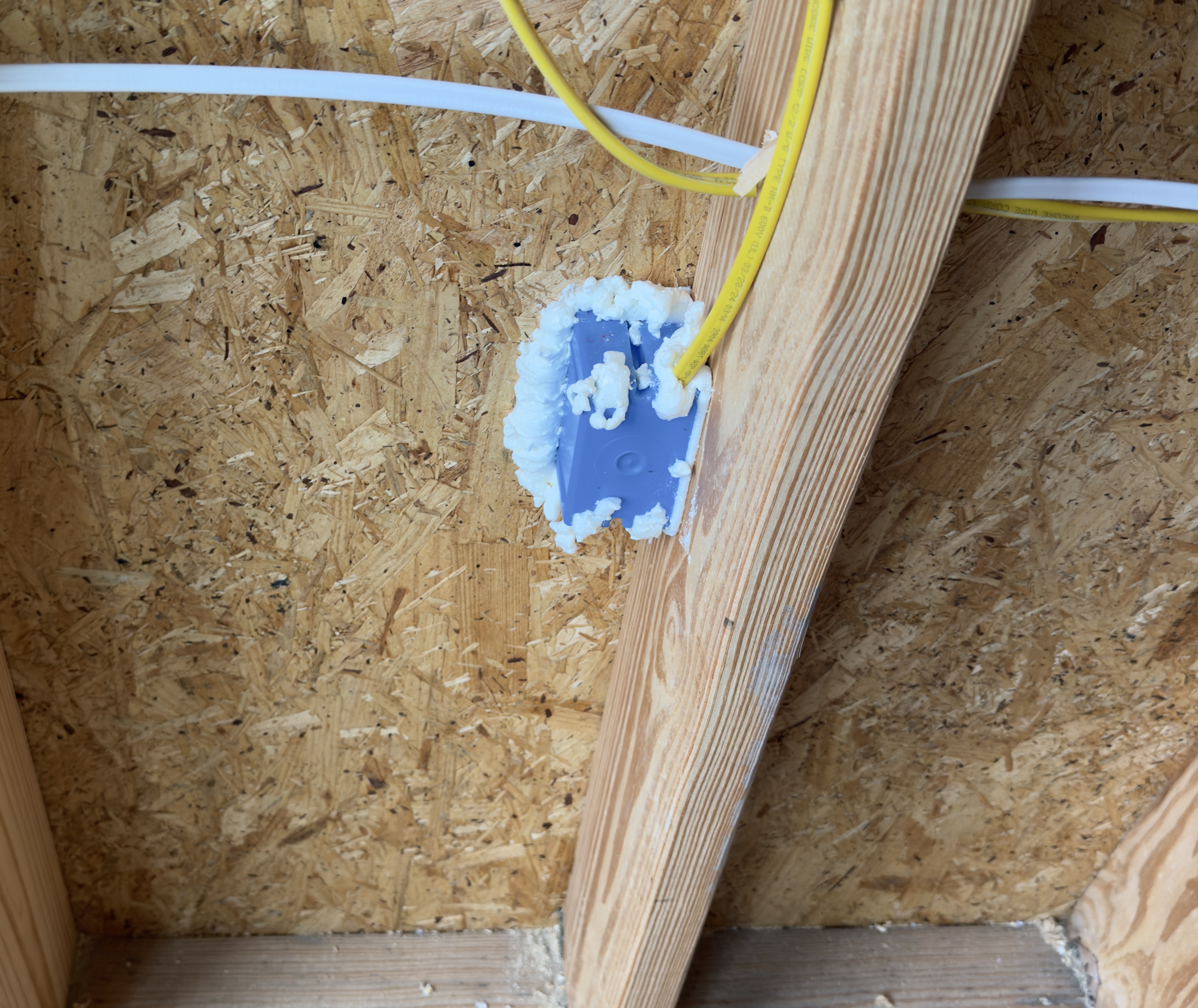
Understanding how moisture enters a structure requires distinguishing between two distinct physical processes: vapor diffusion and air leakage. Vapor diffusion describes how moisture moves through solid building materials, such as gypsum board or plywood, based on differences in vapor pressure. Air leakage, or convection, refers to moisture-laden air physically traveling through gaps, cracks, and bypasses in the building envelope.
The Building Science Corporation conducted landmark research that illustrates the vast difference between these two pathways. Their testing showed that during a single month, only about one third of a quart of water diffuses through a solid four by eight foot sheet of drywall. However, if that same sheet of drywall has a single one inch square hole in it, air leakage will transport thirty quarts of water into the wall cavity over that same period.
That 99 to 1 ratio is the whole reason air sealing matters more than piling on extra insulation. Here in South Louisiana, moisture is not just soaking through your siding; it is being carried inside by wind and the pressure differences your HVAC creates. Plenty of homeowners think thicker fiberglass will fix the issue, but standard batts do not stop moving air. They act more like a filter than a wall.
Moisture Transport Method | Volume of Water (Per Month) | Mechanism |
|---|---|---|
Vapor Diffusion | 1/3 Quart | Movement through solid materials |
Air Leakage | 30 Quarts | Movement through gaps and holes |
To keep a South Louisiana home dry, the focus has to shift from just adding R-value to making the shell airtight. Once you stop humid air from sneaking through top plates and subfloor gaps, professional insulation services knock out most of the moisture before it can condense and cause trouble. Without a proper seal, even the fanciest insulation will struggle, because the sheer amount of water carried by moving air overwhelms it. In short, seal the gaps and the wet Gulf South air stays outside where it belongs.
Why Standard Vapor Barriers Often Fail in the Gulf South
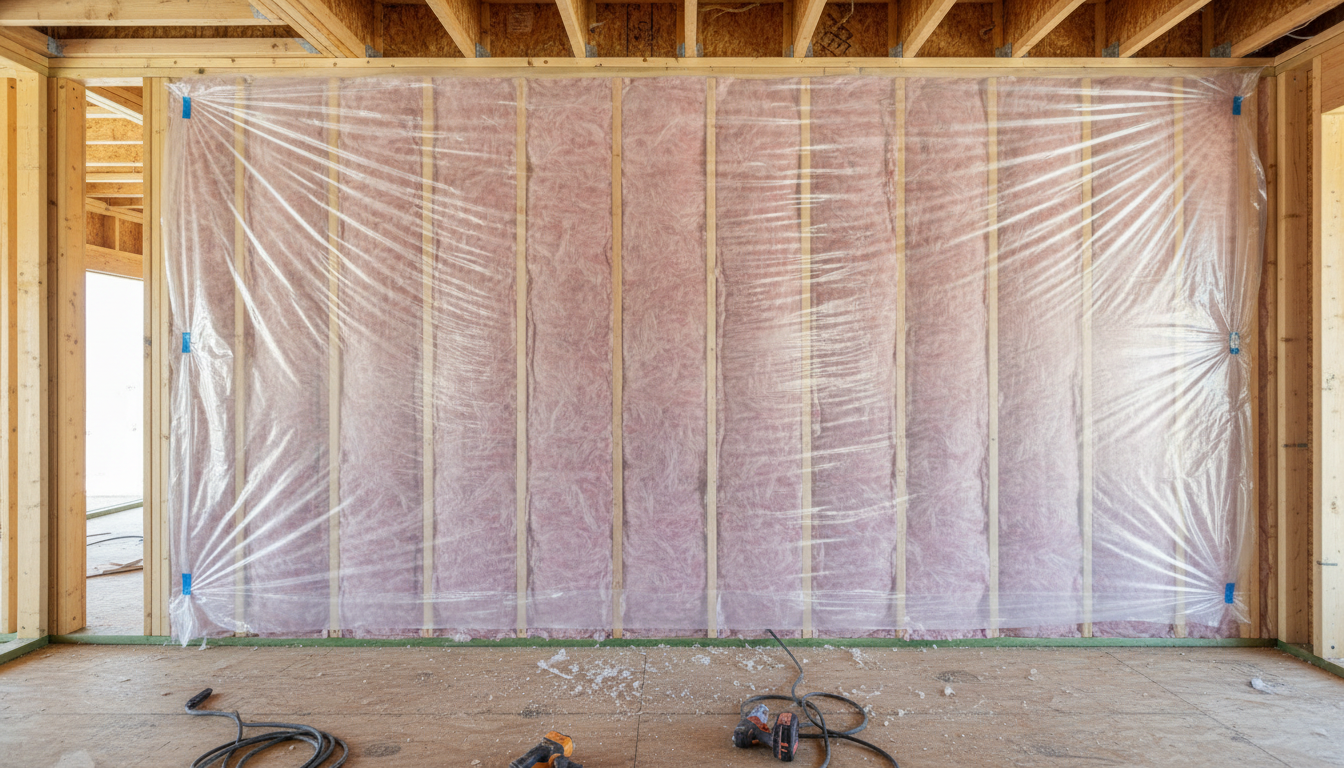
A lot of standard building advice comes from colder northern climates, where the goal is keeping indoor heat from escaping. There, a plastic vapor barrier goes on the warm side of the insulation to stop moisture from condensing on cold sheathing. Down here, that logic flips. We run the AC most of the year, so the inside of the wall is actually cooler than the hot, muggy air outside.
When a plastic barrier is put on the interior side of the studs, you end up with what we call a moisture sandwich. Humid outside air works its way into the wall cavity, hits that cool plastic, reaches its dew point, and turns to liquid water. That water gets trapped against the framing and insulation with nowhere to dry out. In 15 years of providing professional insulation services, Freedom Insulation has seen plenty of rot and hidden mold caused by exactly this mistake.
Climate Strategy | Barrier Placement | Typical Outcome in South Louisiana |
|---|---|---|
Cold Climate Model | Interior Vapor Barrier | Trapped condensation, mold, and rot |
Gulf South Model | Air Sealing and Permeable Materials | Controlled airflow and a chance to dry out |
Good air sealing is about stopping the bulk movement of air, not trying to block every molecule of vapor with plastic. Using spray foam insulation or sealant at the home's shell stops wet air from getting into the wall cavity in the first place. That knocks out the moisture without creating a trap, and it lets the wall dry naturally while the humid air stays outside where it belongs.
Strategic Air Sealing for Attics and Subfloors
Moving from theory to practice, Freedom Insulation focuses on the two main boundaries of a South Louisiana home: the attic and the subfloor. Up high, sealing starts with the bypass points most homeowners never see. The top plates, where interior wall framing meets the attic floor, often have gaps that let conditioned air escape while pulling humid air up into the walls. Plumbing and recessed lights can act like little chimneys for moisture, skipping right past your insulation.
For the raised cottages common across the region, the subfloor is a real weak spot. A high water table and frequent rain keep a steady supply of dampness under the house. Without a good seal, that moisture works up through the floorboards and can make hardwood cup or buckle. Spray foam insulation is the best fix here because it forms a continuous seal that fiberglass batts simply cannot match, turning the floor into a solid air barrier.
Application Area | Preferred Material | Primary Benefit |
|---|---|---|
Attic Top Plates | Closed-Cell Foam or Sealant | Stops conditioned air loss into the attic |
Raised Subfloors | Closed-Cell Spray Foam | Blocks rising vapor and liquid moisture |
Attic Roof Decks | Open-Cell Spray Foam | Provides high R-value and allows for leak detection |
For subfloors, we usually go with closed cell foam because its density gives you a second line of defense against the damp Louisiana ground. In attics, open cell foam is often the better fit since it expands to fill every nook and cranny around tricky framing. By combining these professional insulation services, you close the gaps where air used to slip past regular materials. If you notice soft spots in your floors or extra humidity upstairs, you can contact Freedom Insulation to have those key areas checked.
Measuring Success with Blower Door Testing and ACH50 Scores
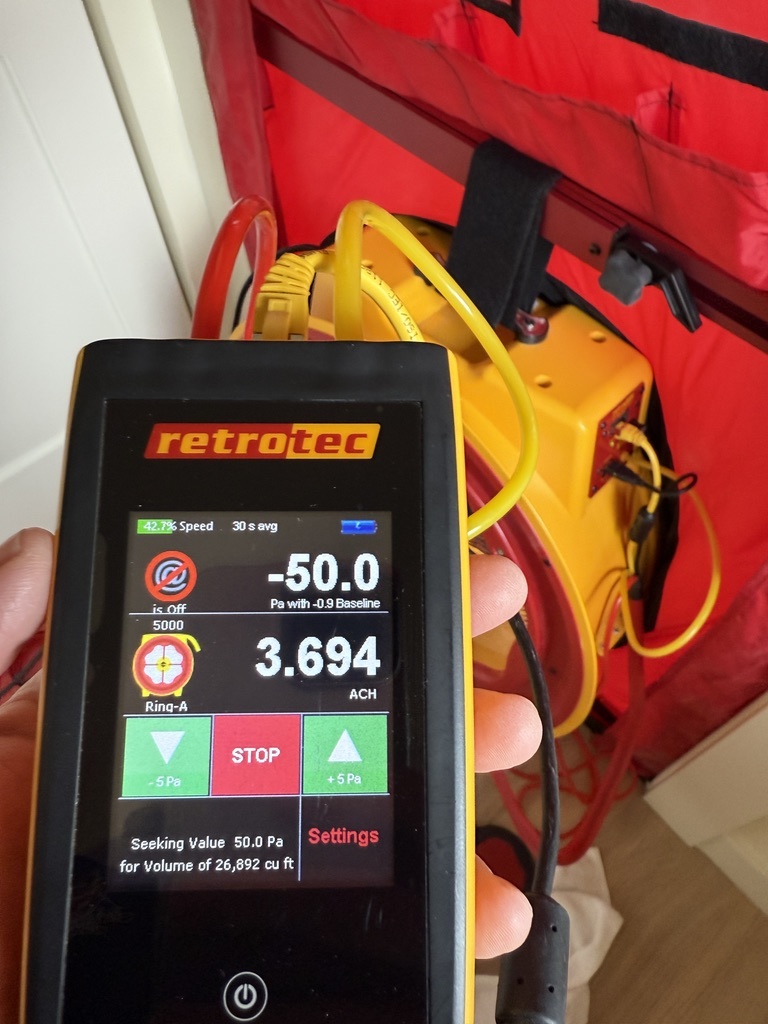
To make sure the work actually worked, we rely on real numbers instead of gut feel. The industry standard for checking air sealing is the blower door test. It uses a calibrated fan mounted in an exterior door frame that pulls air out of the house and depressurizes it. By creating that pressure difference, we can measure total leakage and spot exactly where the hot, wet air is getting in.
The main number we get from that test is Air Changes per Hour at 50 pascals, or ACH50 for short. It tells you how many times per hour the entire volume of air in your home is swapped out for outside air under pressure. Around South Louisiana, plenty of unsealed older homes test at an ACH50 of 15 or higher. For perspective, that is pretty close to living in a well ventilated barn.
Home Sealing Status | Typical ACH50 Score | Impact on Humidity Control |
|---|---|---|
Unsealed/Historic | 15.0+ | Extreme infiltration; AC cannot keep up |
Standard Older Home | 7.0 - 10.0 | Moderate leakage; high mechanical strain |
Professionally Sealed | 3.0 - 5.0 | High efficiency; stable interior dew point |
A home sealed properly with spray foam insulation and targeted sealant should land well under that number, which keeps indoor humidity nice and stable. Freedom Insulation uses these tests to find weak spots and provide professional insulation services that turn a drafty house into a comfortable, controlled space. Curious how your home stacks up? Contact Freedom Insulation for a full evaluation.
The Cost of Professional Air Sealing and Expected ROI
The investment for air sealing depends a lot on the scope of the project. For a typical attic, professional air sealing alone usually runs from $500 to $1,200. That covers finding and closing bypasses, top plates, and plumbing stacks with the right sealants. When you pair it with full professional insulation services like spray foam insulation, the upfront cost goes up, but the long-term payoff is hard to beat.
The return on investment manifests through several channels:
Category | Expected Benefit |
|---|---|
Utility Costs | Lower monthly Entergy bills through reduced HVAC run-time |
Maintenance | Extended lifespan of air conditioning equipment |
Property Protection | Prevention of mold remediation costs which can reach $10,000+ |
Comfort | Immediate elimination of hot spots and clammy indoor air |
A lot of people assume the fix for a hot, sticky house is a bigger AC unit. But air sealing is almost always the better money. Even a brand-new, high-efficiency unit will struggle if the home's shell is full of holes. Seal the shell first and you cut the mechanical load needed to stay dry. With 15 years in the local market, we suggest you contact Freedom Insulation to prioritize these high-value upgrades before spending on pricey equipment swaps.
Managing humidity in South Louisiana comes down to air sealing first and vapor barriers second. When you stop the air leaks, you get better moisture control and real energy savings, all without the risk of trapping water where it should never be. If you want help finding the right fix for your space, we are here for you. You can learn more about our mission and how we serve local homeowners. We take real pride in helping folks keep a comfortable, dry, and healthy home through every season.