Spray foam is the superior choice for New Orleans homes when comparing spray foam vs fiberglass insulation because it provides a superior air seal and effectively resists high humidity levels. While fiberglass is more cost-effective initially, spray foam offers better long-term energy savings and essential moisture protection in the damp Gulf Coast climate.
Homeowners in New Orleans understand that our local climate presents a unique set of challenges, particularly when it relates to indoor comfort and energy efficiency. Dealing with skyrocketing cooling costs or persistent humidity inside your living space is often a direct result of inadequate insulation. Choosing the right material for your specific property is not just about price; it is about protecting your investment from the punishing Gulf South elements. In this guide, we provide a professional comparison between traditional fiberglass batts and high performance spray foam. You will learn how these materials perform under extreme humidity, the realities of R-value ratings, and which solution offers the best long term return for your home. By understanding the core differences, you can make an informed decision that ensures lasting comfort.
The Core Differences Between Spray Foam and Fiberglass
Choosing the right material for a home in Southeast Louisiana involves more than just looking at a price tag. The comparison of spray foam vs fiberglass insulation begins with understanding how these two materials behave fundamentally differently within a building envelope. Fiberglass remains the traditional, budget friendly option composed of plastic reinforced by extremely fine glass fibers. It is typically installed as pre-cut batts or blown-in loose fill. Its primary function is to slow conductive heat transfer, acting as a thermal barrier between your living space and the outdoor heat.
Spray foam is a high performance liquid that expands rapidly upon application to form a solid, airtight barrier. While fiberglass addresses thermal resistance, spray foam provides a dual benefit: it offers high R-value and serves as a comprehensive air seal. This sealing capability is vital in a climate where humid air infiltration is a constant battle. At Freedom Insulation, we have spent 15 years providing professional fiberglass and cellulose applications along with spray foam insulation services. Our experience across New Orleans has shown that while both materials have their place, their performance depends entirely on the specific needs of the structure, ranging from professional attic insulation to a full building envelope seal.
Fiberglass Insulation: The Traditional Standard
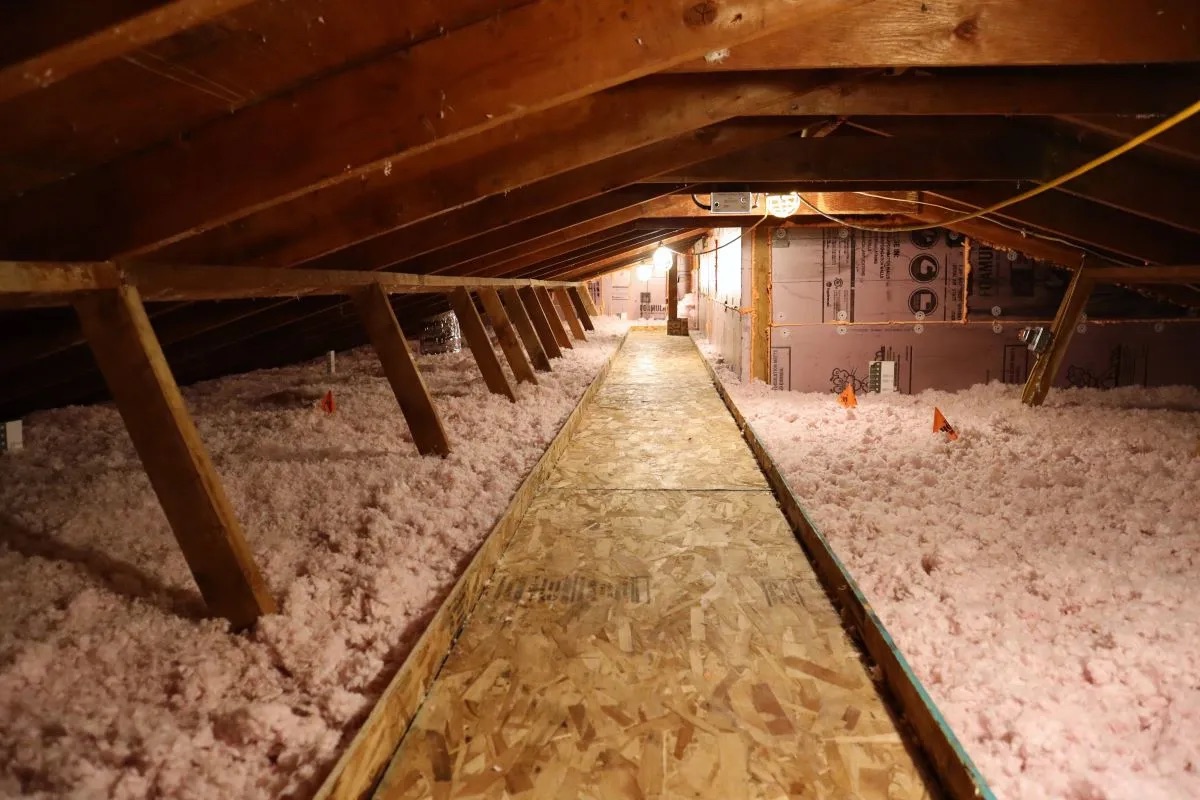
Fiberglass has served as the industry standard for decades because of its accessibility and low upfront cost. In the context of spray foam vs fiberglass insulation, fiberglass is the material most homeowners are familiar with, typically found in two forms: pre-cut batts or blown-in loose fill. The primary advantage of fiberglass is its affordability. It is a budget friendly way to meet basic building codes, and because it is made of spun glass, it is naturally fire resistant without the need for additional chemical retardants.
However, the unique environment of New Orleans presents significant challenges for traditional fiberglass. Because fiberglass is porous, it does not stop air movement. In our climate, this leads to convective loops where hot, humid air travels through the insulation, drastically reducing its effectiveness. During a typical Louisiana summer, this airflow forces your air conditioner to work much harder to compensate for the heat penetrating the walls or attic. The material acts more like a filter for air rather than a barrier against it.
Moisture is another critical factor. Fiberglass does not handle high humidity well. Over time, the moisture in the air can cause the fibers to become damp and heavy, leading to sagging or slumping within wall cavities. Once fiberglass sags, it leaves uninsulated gaps that create thermal bridges, allowing heat to pour into your home. Furthermore, when fiberglass stays damp, it can become a breeding ground for mold and a hospitable environment for local pests that seek out soft, hidden nesting areas.
While fiberglass and cellulose applications are often the minimum code requirement for new builds, they are rarely the optimal choice for high performance homes in Southeast Louisiana. Fiberglass provides thermal resistance in a lab setting, but in a real world New Orleans crawl space or attic, its inability to seal against air and moisture often results in higher long term energy costs. Understanding these limitations is essential before deciding how to protect your building envelope.
Spray Foam Insulation: The High Performance Alternative
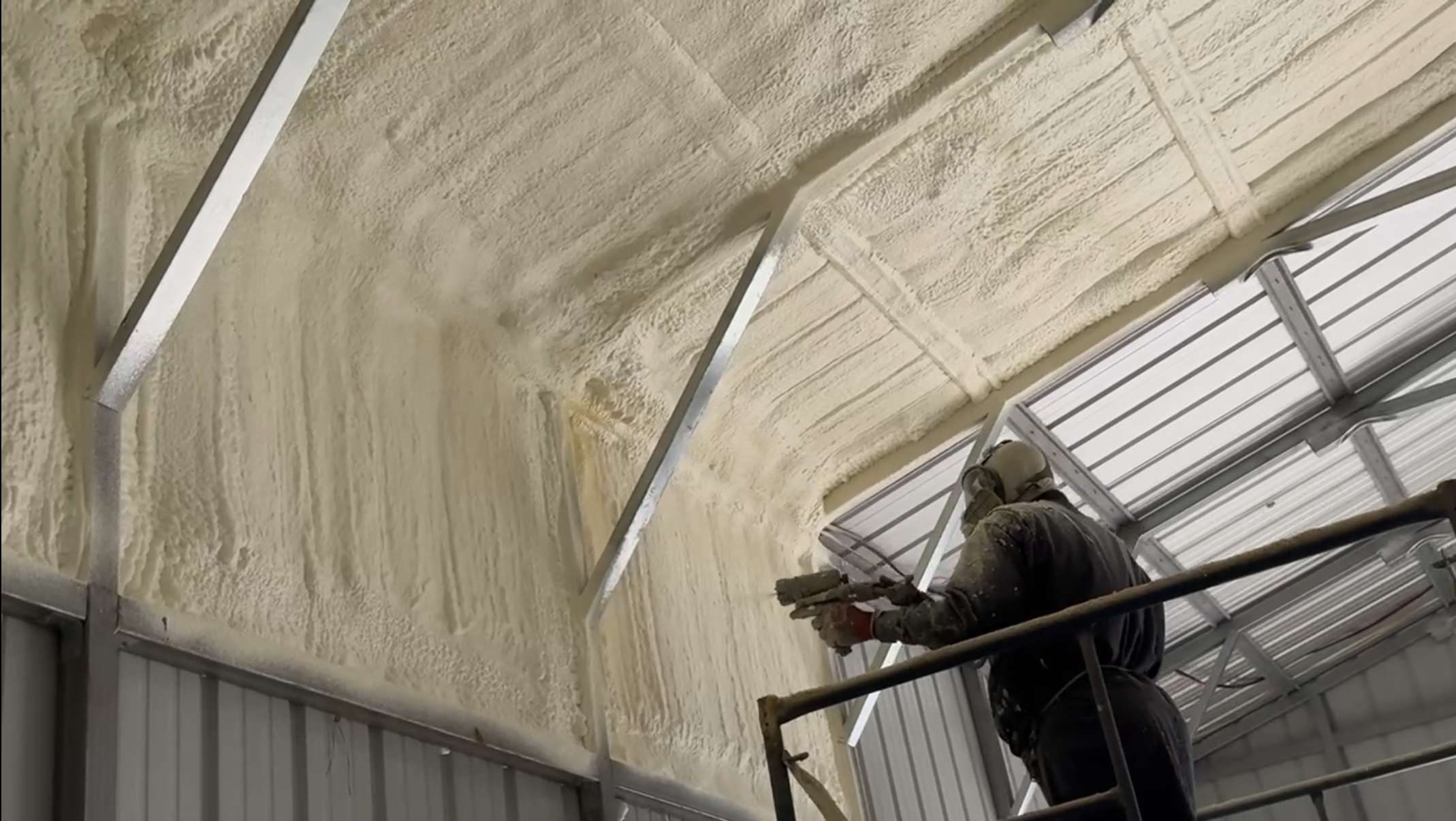
Spray foam moves beyond the limitations of traditional materials by creating a custom fit barrier that conforms to the unique geometry of a structure. When evaluating spray foam vs fiberglass insulation, the most significant advantage is the ability of the foam to expand up to 100 times its liquid volume upon application. This expansion allows it to reach every crevice, wiring penetration, and irregular joint that fiberglass batts simply cannot cover. This creates a monolithic seal that stops air leakage at the source, effectively eliminating the drafts and convective loops that plague many homes in the Greater New Orleans area.
We typically install two varieties of foam depending on the specific needs of the property: open cell and closed cell. Open cell spray foam is a lighter, more flexible material. It is an excellent choice for interior walls where sound dampening is a priority, as its soft, porous structure absorbs noise effectively. Because it remains somewhat pliable after curing, it can move with the natural settling of a home without cracking or losing its seal. It provides a high yield and is an efficient way to fill large wall cavities.
In contrast, closed cell spray foam is much denser and rigid. Each tiny cell is completely closed off and filled with a blowing agent, creating a product that is essentially impermeable to water. For homes in Southeast Louisiana, this makes closed cell foam a powerful vapor barrier. It adds significant structural integrity to the building and is the gold standard for subfloors in raised homes where ground moisture and humidity are constant threats to the wood framing.
One of the most effective applications for spray foam insulation services in our region is the creation of an unvented attic. In a traditional vented attic, fiberglass is placed on the floor, leaving the attic space to reach temperatures exceeding 130 degrees. By applying spray foam directly to the underside of the roof deck, we bring the attic into the conditioned envelope of the home. This prevents the HVAC system and ductwork from sitting in a furnace-like environment, drastically reducing the energy required to cool the living space below. This approach to professional attic insulation transforms a sweltering space into a clean, temperature-controlled environment, providing a level of performance that standard fiberglass and cellulose applications cannot match.
Comparing R-Value and Energy Efficiency
R-value is the standard metric used to measure an insulating material’s thermal resistance, or its ability to resist heat flow. In technical terms, the higher the R-value, the greater the insulating power of the material. When evaluating spray foam vs fiberglass insulation based strictly on these numbers, the difference in density and composition becomes clear. Standard fiberglass and cellulose applications typically offer an R-value between 2.2 and 3.8 per inch of thickness. In contrast, spray foam insulation services provide a much higher thermal resistance. Open cell foam sits at roughly R-3.5 per inch, while high density closed cell foam can reach R-6.5 or higher per inch.
However, raw R-value does not tell the full story of energy efficiency in a climate as demanding as Southeast Louisiana. The effective R-value of a material includes its ability to stop air infiltration. According to the Department of Energy, air leakage accounts for up to 40 percent of a home’s total energy loss. Because fiberglass is a loose, fibrous material, it allows air to pass through it, meaning your air conditioner must work harder to combat the hot, humid air seeping into the structure.
Spray foam creates a custom, airtight seal that eliminates this leakage entirely. This is particularly critical for professional attic insulation during New Orleans summers, where exterior temperatures and humidity levels place immense strain on HVAC systems. By combining high thermal resistance with a total air seal, spray foam addresses both conduction and convection. This dual approach provides a level of efficiency that fiberglass batts cannot achieve, even when they meet the nominal R-value requirements of local building codes.
Managing New Orleans Humidity and Moisture
In Southeast Louisiana, humidity is the primary driver of building decay and energy inefficiency. The high moisture content in our air, often exceeding 90 percent during the summer months, creates a distinct challenge when choosing between spray foam vs fiberglass insulation. Fiberglass is a porous material that effectively acts like a filter. In high humidity environments, these glass fibers trap moisture from the air. This saturation leads to two major problems: it causes the material to slump, which significantly lowers its effective R-value, and it creates a damp environment where mold and mildew thrive within the wall cavities.
Spray foam insulation services offer a more robust defense against the local climate. Specifically, closed cell foam is engineered to be moisture resistant, acting as a secondary vapor barrier for the structure. Unlike fiberglass and cellulose applications, closed cell foam does not absorb water or allow humid air to migrate through the building envelope. This characteristic is vital for preventing interstitial condensation, commonly known as sweating. Sweating occurs when humid outdoor air meets a cool, air conditioned surface, such as the back of a drywall sheet. A professional air sealing strategy ensures that these temperature differentials do not lead to rot in your wall studs or roof deck. For professional attic insulation in New Orleans, managing this vapor drive is just as important as blocking the heat itself.
Cost vs Long Term Investment
Price is often the first hurdle when comparing spray foam vs fiberglass insulation. For a standard installation, spray foam insulation services typically carry an upfront cost two to three times higher than fiberglass and cellulose applications. This initial investment covers the specialized equipment, chemical components, and the technical labor required to create a monolithic seal. While fiberglass is the more accessible choice for a tight budget, the higher price of foam is best viewed as a long term utility investment rather than a simple material purchase.
Monthly savings on your Entergy bill provide the primary return on this investment. Because spray foam addresses air leakage at the source, homeowners in Southeast Louisiana often see a 15 to 30 percent reduction in monthly cooling costs. Beyond utility savings, a tighter building envelope reduces the workload on your HVAC system. When your air conditioner cycles less frequently to combat humidity and heat, you extend the lifespan of expensive mechanical equipment, delaying the need for a costly system replacement.
Freedom Insulation helps homeowners find a practical middle ground when a full foam encapsulation is outside the budget. We often utilize a hybrid approach, sometimes called flash and batt, where a thin layer of closed cell spray foam is applied to provide an air seal and vapor barrier, followed by traditional fiberglass to meet R-value requirements. This method significantly improves performance over fiberglass alone while keeping the project cost manageable. With 15 years of local experience, we can help you weigh these options based on your home's specific architecture and your long term financial goals.
Best Applications for Each Material in Your Home
Selecting the right material often depends on the specific geometry and location of the assembly within the structure. For interior walls between bedrooms, bathrooms, or home offices, fiberglass and cellulose applications provide an excellent, cost effective solution for sound dampening. In traditional vented attics where the homeowner prefers to maintain existing floorboards for storage, blown-in fiberglass remains a practical choice to meet R-value requirements without the complexity of a full roof deck application.
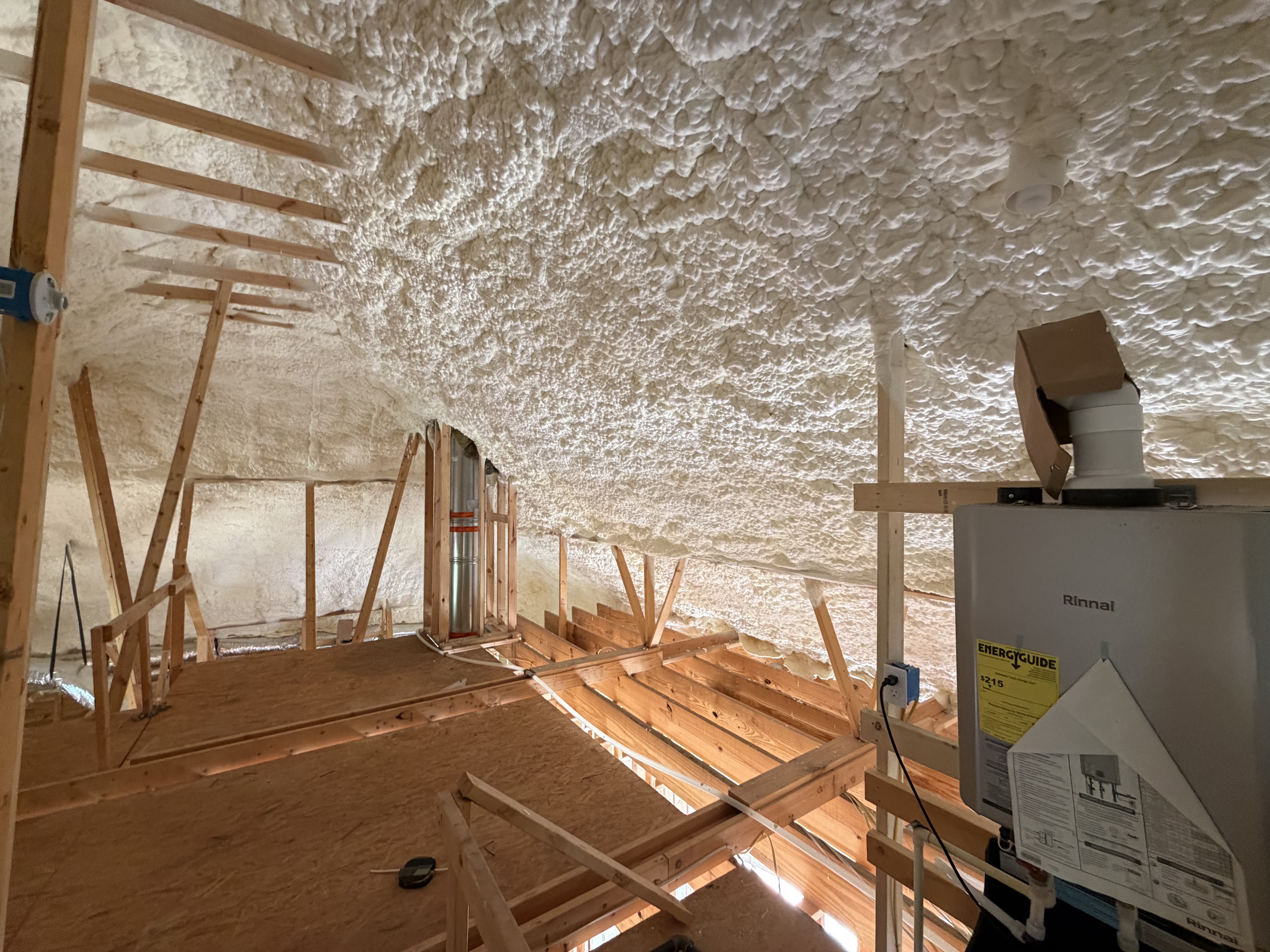
In the unique architectural landscape of New Orleans, spray foam insulation services are superior for moisture prone areas. Closed cell foam is the ideal solution for the subfloors of raised homes. It creates a seamless barrier against the rising dampness from the soil, preventing floor joists from rotting and keeping humid air from migrating upward through the floorboards. For those looking to maximize HVAC efficiency, applying spray foam to the roof deck to create a conditioned attic space is the most effective way to combat our local heat. This strategy effectively moves the thermal boundary to the roofline, protecting your mechanical systems.
Regardless of the primary material chosen, air sealing remains a critical companion service. Without addressing gaps around plumbing stacks, top plates, and electrical penetrations, even high quality insulation will underperform due to air bypass. When we perform a professional attic insulation project, we prioritize securing the building envelope against the drafts that carry heat and humidity into your living space. This comprehensive approach ensures that the materials you invest in can perform at their maximum rated capacity for years to come.
Why Professional Installation Matters for Safety and Performance
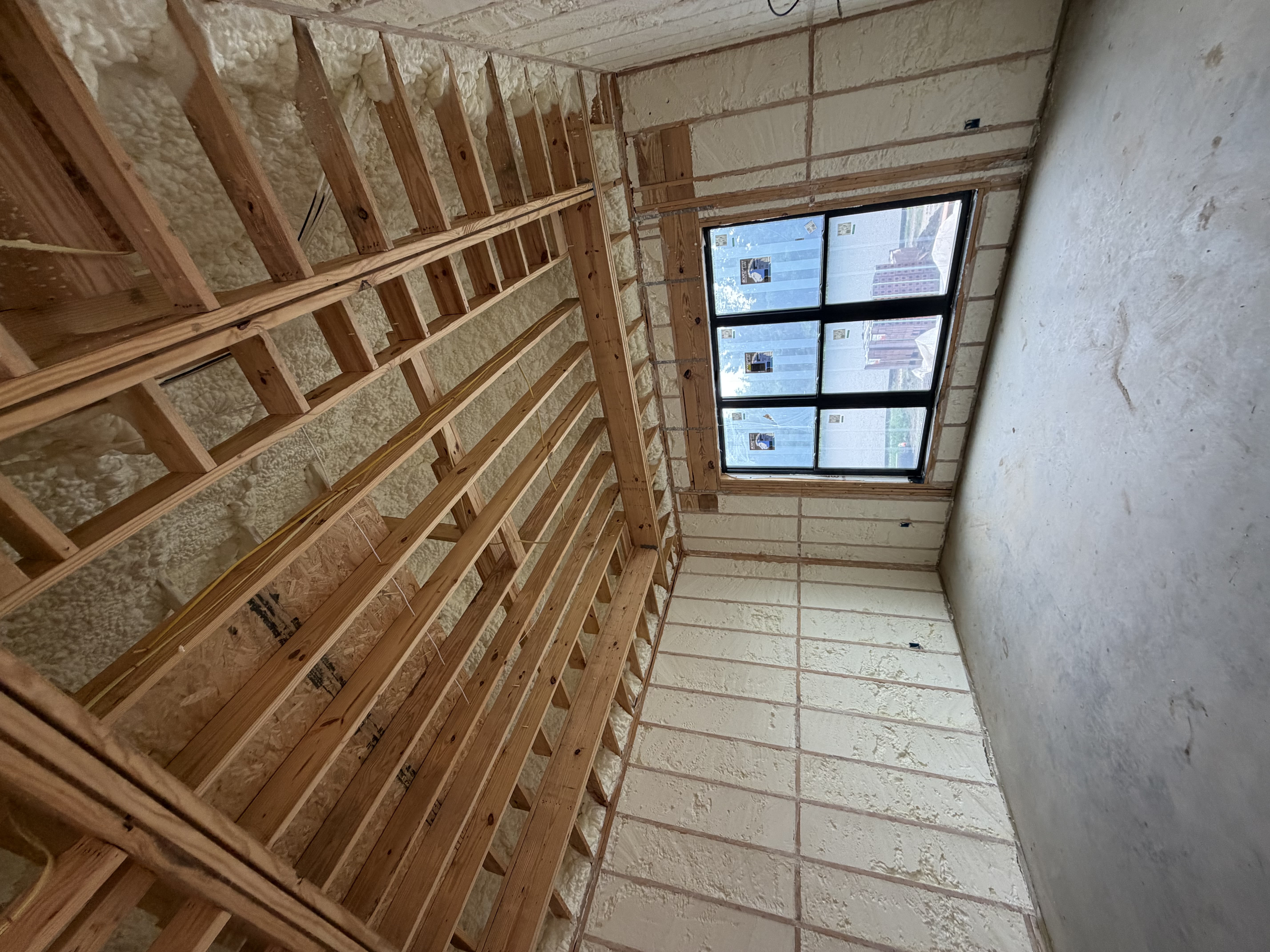
Ensuring the long term success of your insulation project requires more than just high quality materials. While homeowners might consider a DIY approach for fiberglass and cellulose applications, improper handling often leads to skin and lung irritation from glass shards or inadequate coverage that leaves thermal gaps. When comparing spray foam vs fiberglass insulation, the professional requirements for foam are even more stringent. Applying spray foam requires specialized personal protective equipment, including full body suits and supplied air respirators, to safely navigate the chemical application process.
Properly installing spray foam insulation services depends heavily on the chemical mix and substrate temperature. If the A and B components are not heated and pressurized correctly, the foam may not cure properly, potentially leading to lingering odors or compromised structural integrity. At Freedom Insulation, our team leverages 15 years of local experience and licensed expertise to manage these technical variables. Choosing a professional for your professional attic insulation ensures that every inch of the building envelope is safely and correctly sealed to handle the specific demands of the New Orleans climate.