
Spray foam contractors who seal it right
Open or closed cell, which do you need?
Both stop drafts and save energy, but they work differently. We match the foam to your space, not the other way around.
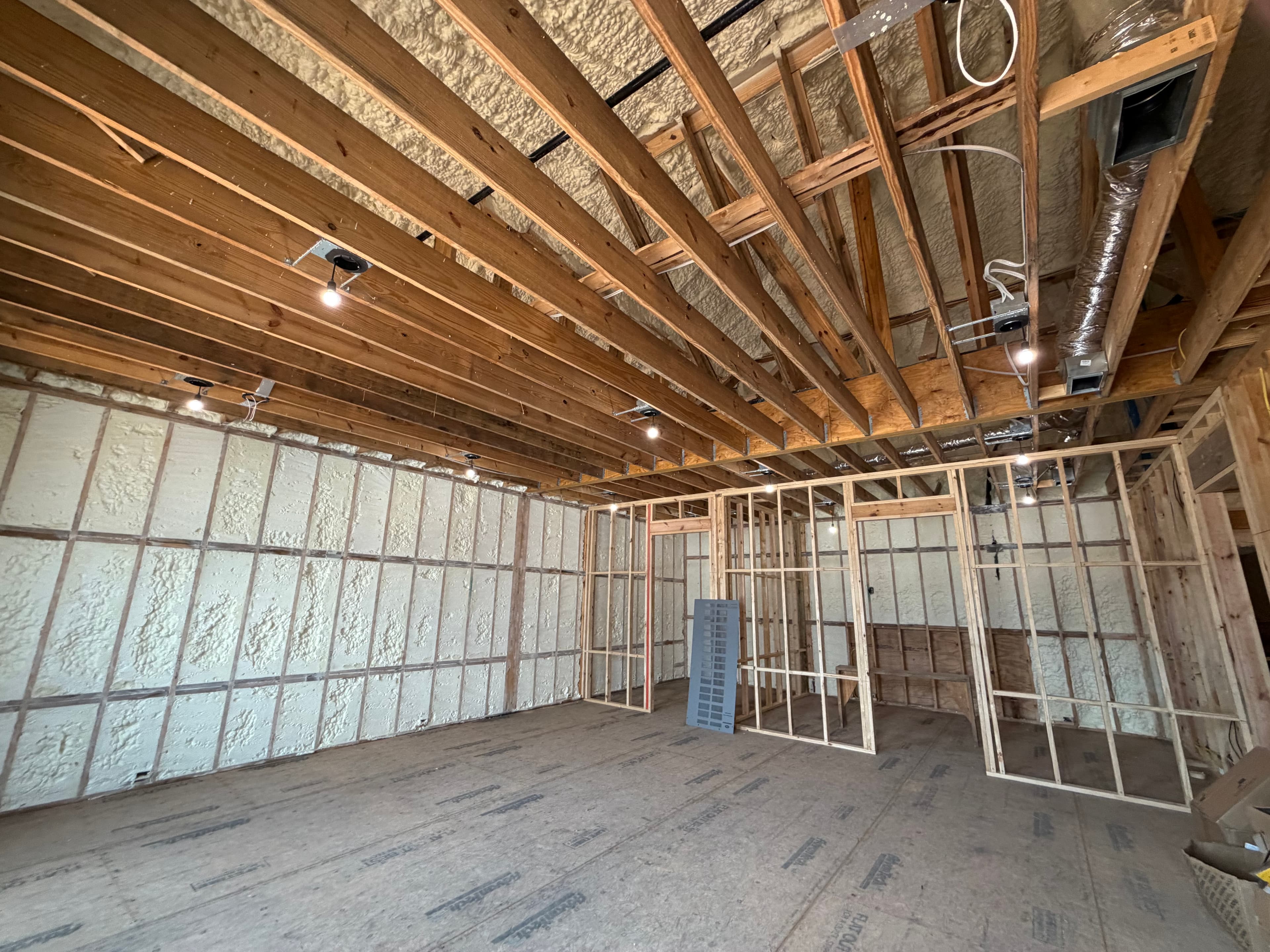
Closed cell foam
Closed cell spray foam forms a rigid, moisture-resistant barrier that effectively blocks drafts, prevents condensation, and enhances structural integrity. It is the preferred solution for subfloors, exterior walls, and metal buildings. Additionally, it is approved for use in Fortified Roofing systems, where it adheres the roof sheathing to the rafters, reinforcing the assembly against hurricane-force winds.
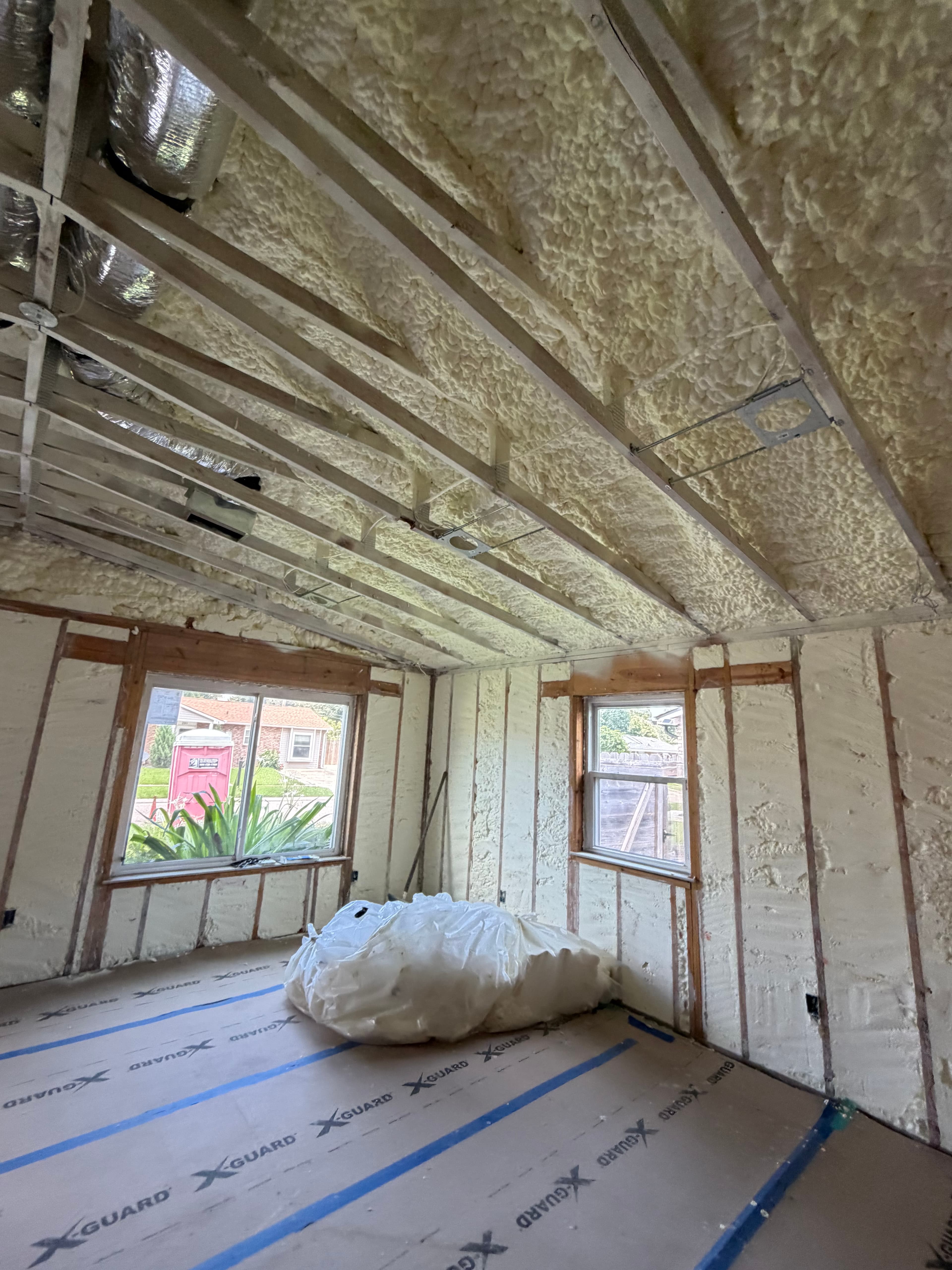
Open cell foam
Open cell spray foam is a less dense, more flexible air sealing solution that effectively muffles sound and offers a lower cost per square foot. It is an excellent choice for attics and interior walls where moisture management is addressed by other building layers. Because of its lower density compared to closed cell foam, it can be applied in significantly thicker layers, making it ideal for attic applications where covering rafters helps prevent thermal bridging.
The right foam for the right spot
We don't just blow foam everywhere. We match the material to the wall, attic, or subfloor so it actually performs.
Wall insulation
Both spray foam types work for wall insulation. Choose based on moisture needs and R-value targets. Closed-cell delivers far more R-value per inch.
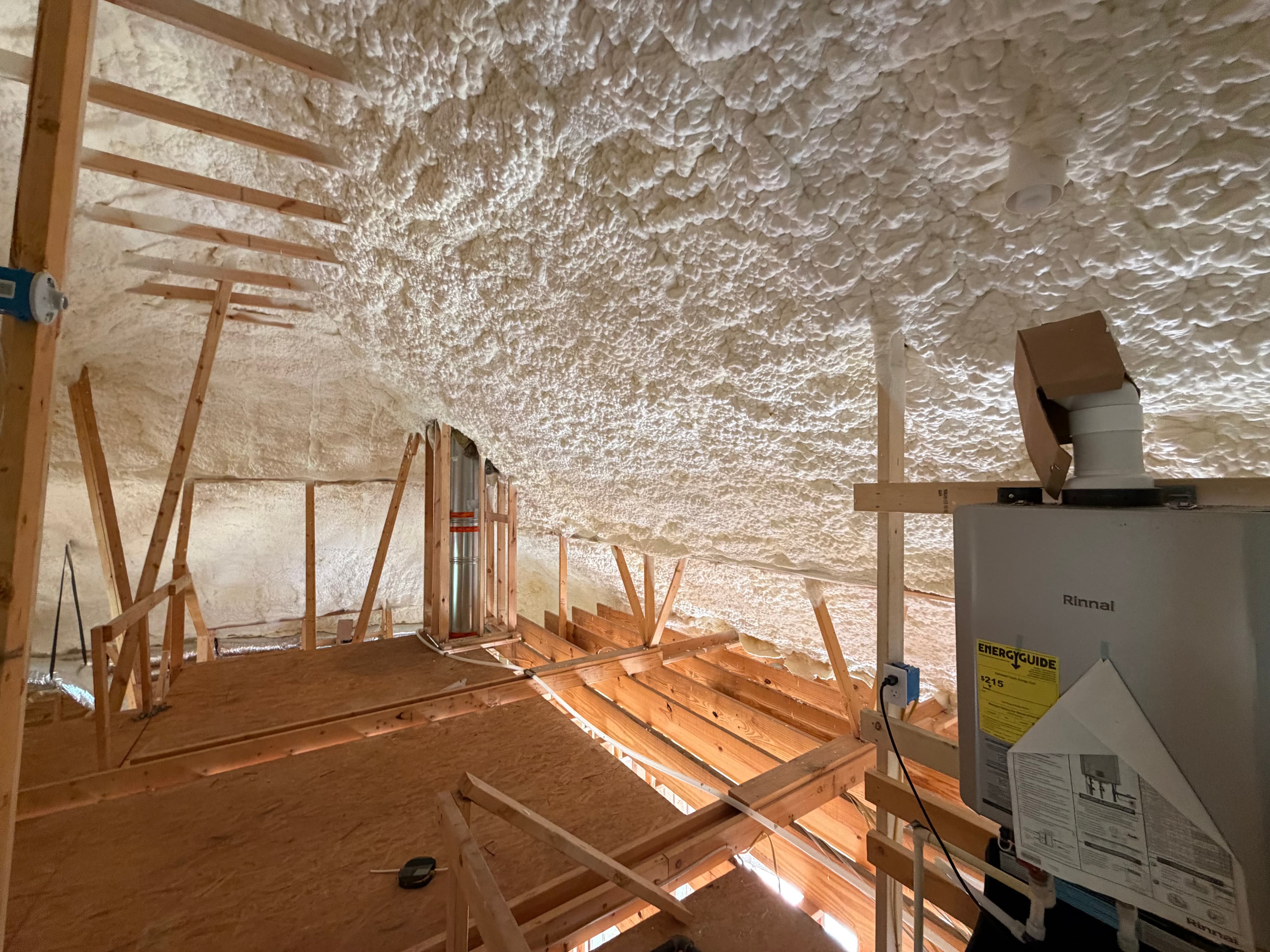
Attic air sealing
Seal air leaks and increase R-value with open cell spray foam, engineered to fill every gap and keep conditioned air securely indoors.
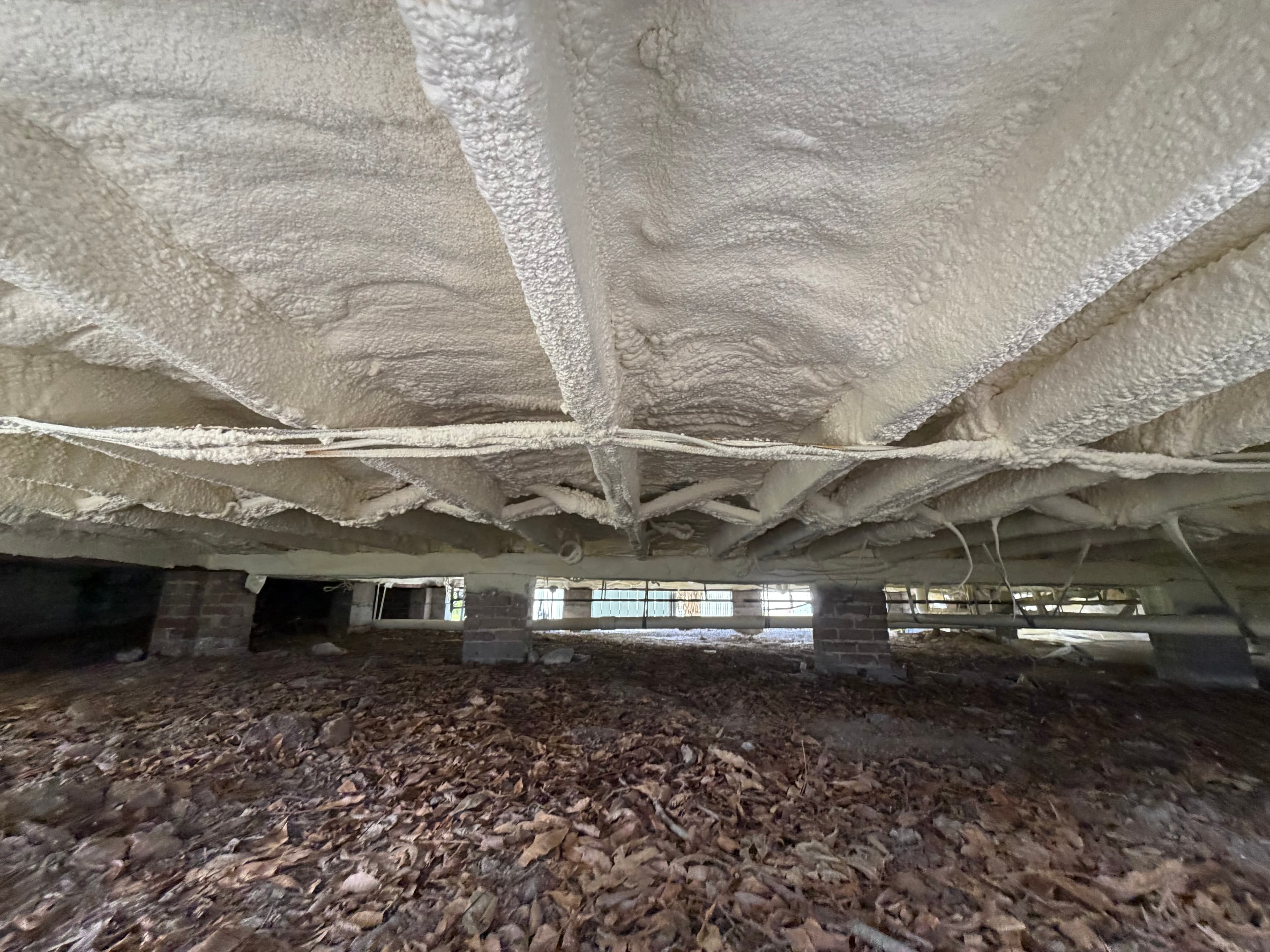
Subfloor sealing
Closed cell insulation provides a durable barrier against drafts and moisture intrusion, helping maintain warmer floors in winter, cooler floors in summer, and drier conditions throughout the year.
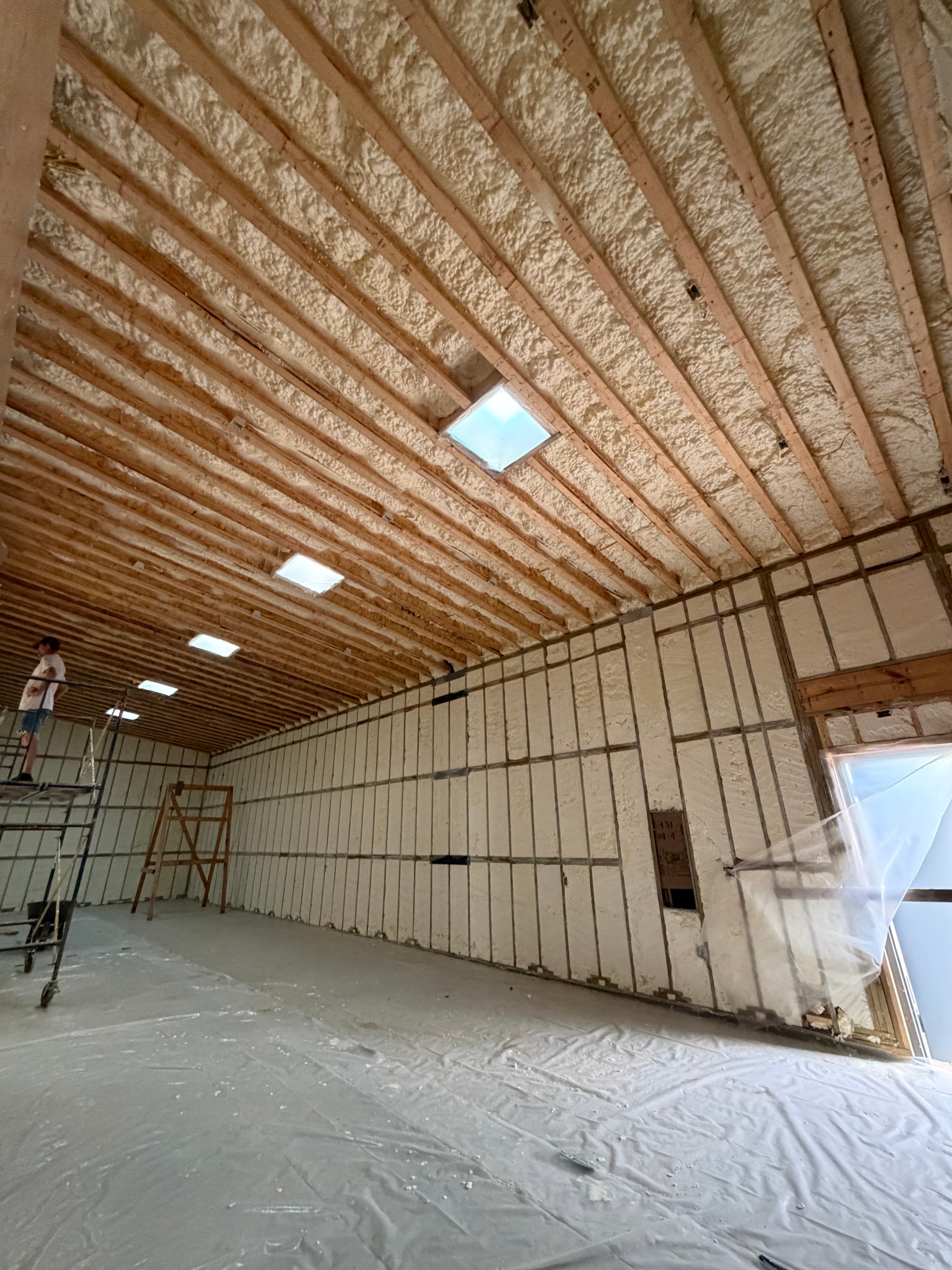
Whole-home envelope
Walls, attic, and subfloor sealed together. One continuous barrier against that Louisiana heat and humidity.
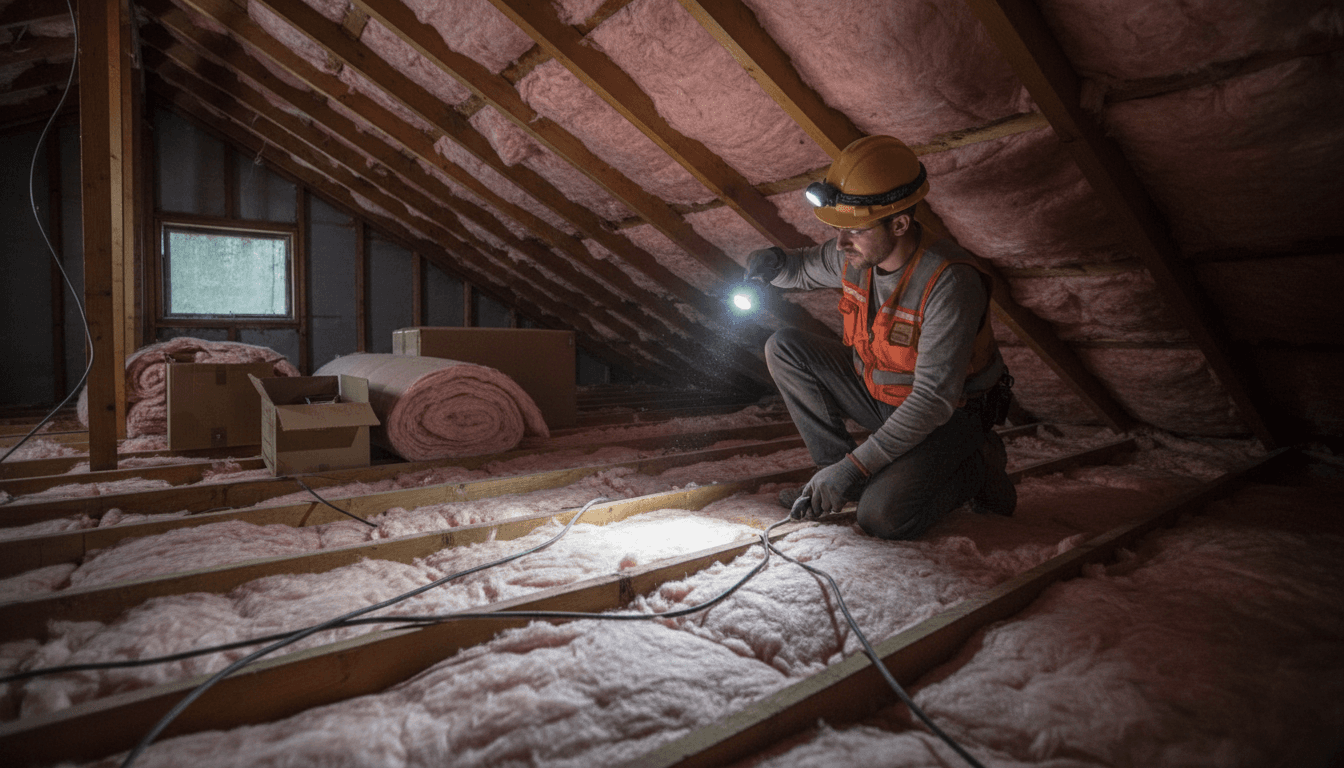
Concealed gap hunting
We find the hidden leaks others miss. Then we seal them so your AC stops working overtime. Hands down the most important part of every insulation project.
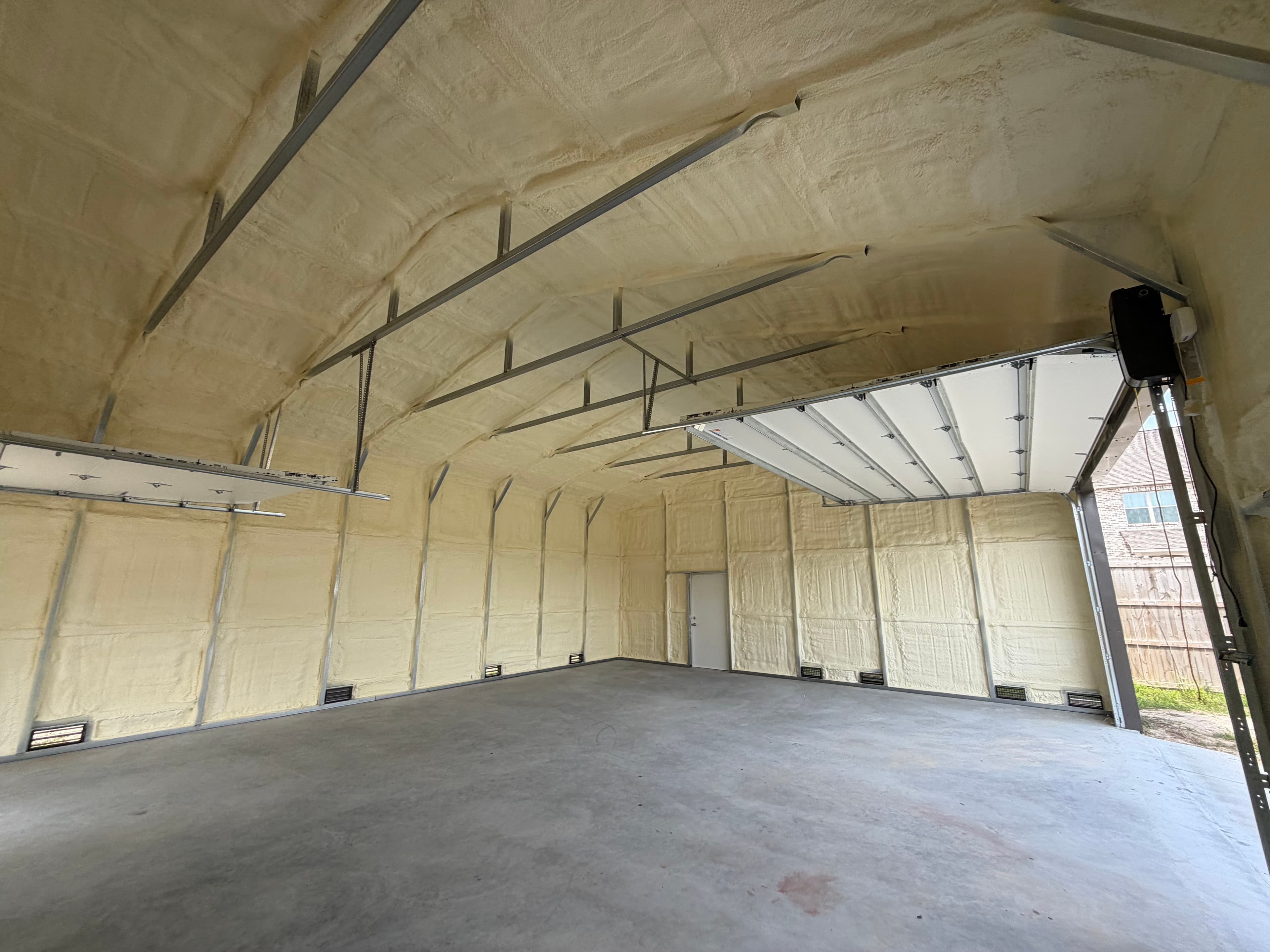
Commercial buildouts
Metal buildings get closed cell foam. It forms a rigid, water-resistant barrier that seals out moisture, blocks drafts, and adds structural strength—built to handle Louisiana heat and humidity.
What does spray foam cost and how long does it take?
Straight answers on pricing, estimates, and how long your project takes.
What New Orleans homes and businesses say
Freedom Insulation sealed the gaps in my attic with spray foam and the difference in our power bill was obvious. They walked us through every option before starting."
Homeowner
Residential customer, New Orleans
Their crew handled our commercial building's subfloor insulation and air sealing without disrupting operations. Clear pricing and professional work.
Property Manager
Commercial customer, Metairie
Closed cell foam in our exterior walls made a real difference in draft and noise. Freedom Insulation explained the difference between open and closed cell without pushing us.
Business Owner
Commercial customer, Kenner
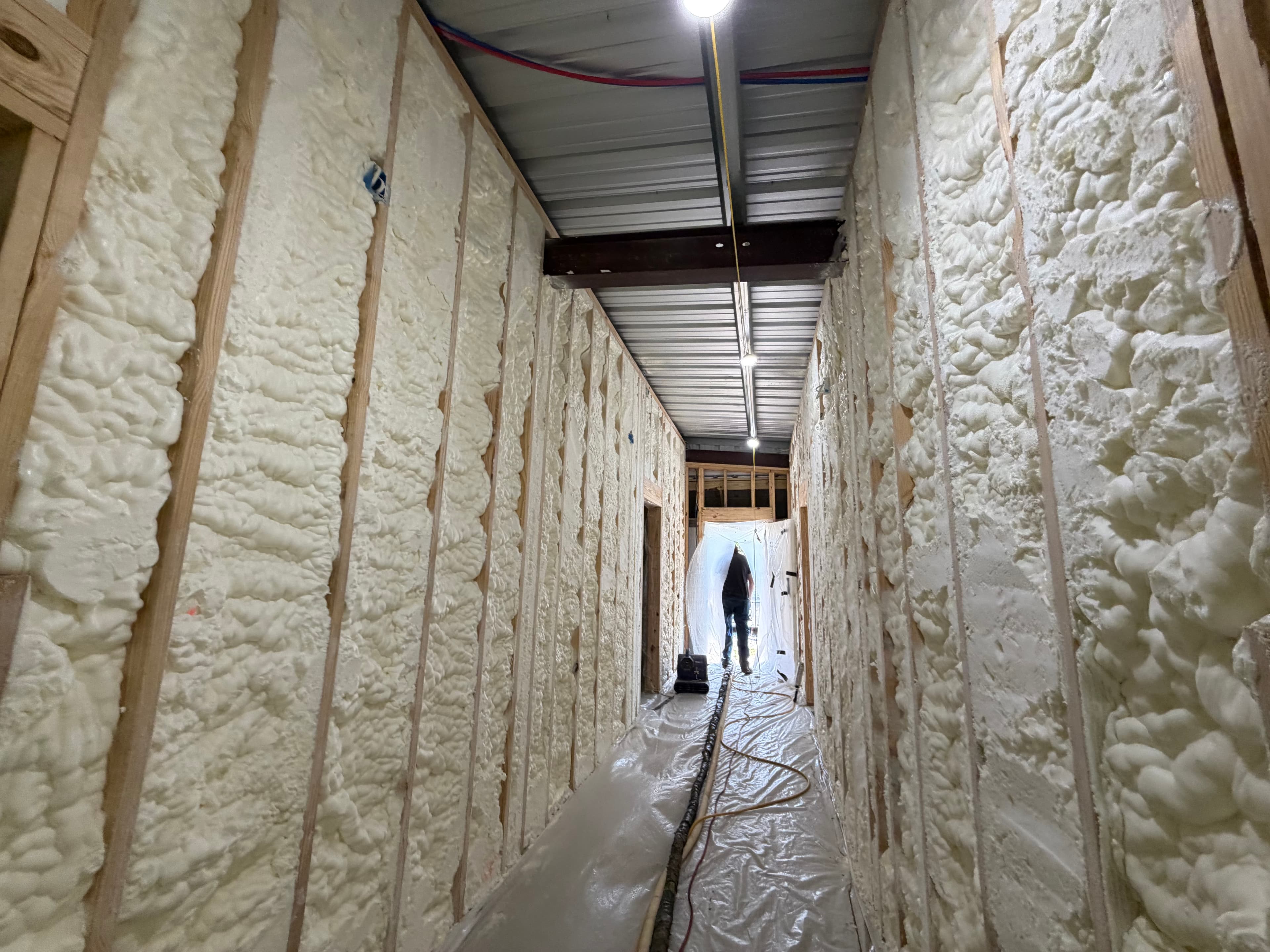
Get a free estimate for your spray foam project
We inspect your property, walk you through your options, and give you a clear quote before any work begins.